

If You’re Over 70 and Still Think Like This You’re Healthier Than Average
Turning 70 can bring plenty of changes, but your mindset is a powerful tool as you move through these years. The way you approach each day can shape not just your mood, but your overall health and happiness.
If you’re over 70 and still think in certain positive ways, it often means your body and mind are healthier than most people your age. Let’s look at how your thoughts and daily habits connect to your well-being as you grow older.
Embrace lifelong learning and curiosity

Keeping your mind active by learning new things helps you stay sharper as you age. Picking up a new skill, like a language or a hobby, helps your brain create new connections.
Curiosity is a natural part of being human. When you keep exploring and asking questions, your mind stays lively.
Learning isn’t just about books or classes. It can be painting, writing, or joining a group with similar interests.
Sharing what you learn makes it even more meaningful. When you stay curious, your days feel fuller and more exciting.
As you get older, keeping strong social ties becomes even more important for your health. Spending time with friends, family, or joining clubs helps your brain stay sharp and your mood stay positive.
These connections give you a sense of purpose and support. Being around others can also help lower your blood pressure and reduce stress.
Even small interactions, like a chat with a neighbor, can make a difference. Try to stay connected by calling someone regularly or joining group activities.
Volunteering or learning something new can also bring you closer to people. It’s okay to step outside your comfort zone to meet new friends.
Stay physically active with daily walks or exercises

Keeping your body moving every day is one of the best ways to stay healthy after 70. Simple activities like taking a walk, stretching, or light exercises can make a big difference.
Even short walks count. Just 5 to 10 minutes of walking gets your heart pumping and muscles working.
Over time, you can increase your pace or how long you walk. This helps your balance, strength, and energy.
You can also try easy exercises that fit your abilities. Chair exercises, gentle stretches, or strength moves can improve your muscle tone and keep you steady on your feet.
If you haven’t been active much before, start slowly. It’s okay to take breaks and go at your own speed.
Focus on what you can control
When you focus on what you can control, life feels less overwhelming. You can choose how you respond to challenges, even if some things are out of your hands.
Taking charge of your daily habits is a good place to start. Simple actions like eating nutritious meals, getting regular exercise, and keeping your mind active can make a big difference.
It’s also important to accept that some things will change as you get older. Instead of stressing about those changes, focus on adapting.
By paying attention to the things you can influence, you protect your mental and physical well-being. This mindset helps you handle ups and downs with more ease.
Practice gratitude every day

When you take time to feel thankful each day, it can help you feel better both inside and out. Gratitude doesn’t have to be a big task.
Even just a few seconds thinking about something good can lift your mood. You might try a simple habit like naming three things you’re thankful for each morning or before bed.
This small act can ease stress and help you sleep better. It’s not about ignoring the hard parts of life but noticing the small joys that happen every day.
Gratitude can also help you feel more connected to others. When you appreciate the people around you, your relationships often become stronger.
Remember, gratitude is for everyone. You don’t need a journal or a special routine.
Just look for the good in your day, no matter how small. Over time, this habit can make your outlook brighter and your mind calmer.
Keep a positive outlook on aging
You have more control over how you age than you might think. A positive outlook helps you stay healthier in many ways.
Thinking positively can improve your mood and reduce stress. This makes it easier to face challenges and keep going.
You might even find that you enjoy life more every day. Staying hopeful also helps your social life.
When you stay connected with friends and family, you build support that keeps you feeling less lonely. This support is good for your heart and brain.
Try to see aging as a chance to learn new things and find new passions. Keeping busy with hobbies or goals brings purpose.
Most important, be kind to yourself. Celebrate what your body can do and be patient with what it can’t.
A kind attitude toward yourself makes it easier to stay positive and healthy.
Nurture hobbies and creative outlets
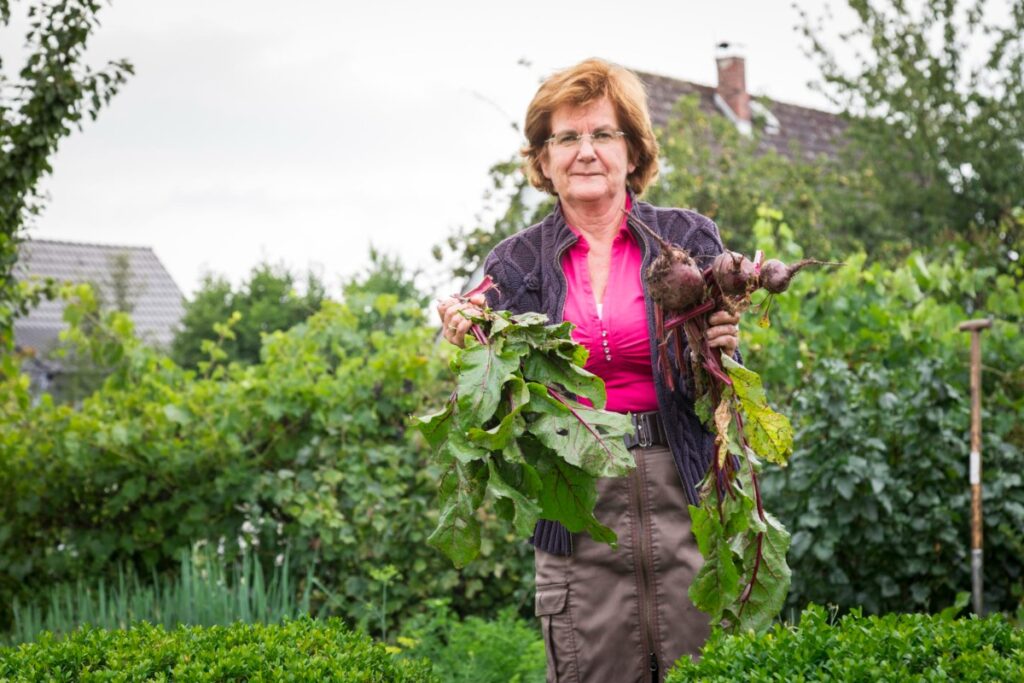
When you keep hobbies and creative activities in your life, you help your mind stay sharp. Doing things like painting, gardening, or writing can bring you joy and keep you mentally active.
These activities also give you a chance to express yourself and explore new ideas. Hobbies don’t have to be complicated or expensive.
Simple activities like knitting, puzzles, or even learning to play an instrument can make a big difference. They help reduce stress and keep your brain engaged.
Creative outlets also help you connect with others. Joining a club or taking a class can bring new friends into your life.
Sharing your interests creates a sense of purpose and belonging. So, find what you enjoy and make time for it often.
Set small, achievable goals regularly
Setting small goals that you can reach makes a big difference in your health. When you break bigger ideas into simple steps, it feels easier and less overwhelming.
For example, try walking for just five minutes a day. This can build up over time and keep you active.
You don’t have to aim for huge changes all at once. Focus on what feels possible and enjoyable.
Maybe call a friend once a week or try a new hobby like painting or knitting. These small actions can improve your mood and keep you connected.
Making goals a regular habit helps you stay motivated. When you see yourself meeting these goals, it gives you a sense of progress.
Keep your goals specific and set a deadline. This way, you have clear targets to work toward every day or week.
Maintain independence in daily tasks
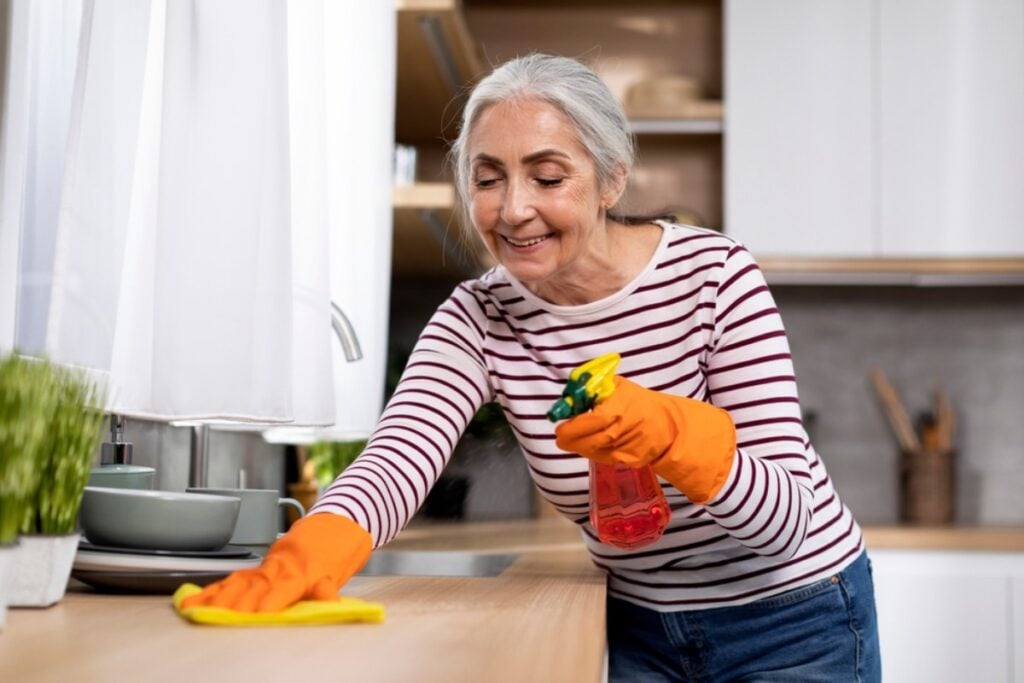
Staying independent in your daily tasks is a key sign of good health as you age. When you can dress yourself, prepare simple meals, or manage your medications, it shows your body and mind are working well together.
Doing these tasks on your own can boost your confidence. It also helps you stay in control of your life, which is important for your mental well-being.
Even small routines, like getting out of bed without help or keeping your living space tidy, matter. If you find yourself needing less help with basic chores, it means you’re maintaining important skills.
These include balance, strength, and clear thinking. The more you practice, the stronger these abilities stay.
It’s okay to ask for help sometimes. But keeping as much independence as you can will help you enjoy your days more fully and feel pride in what you can do.
Stay engaged with community activities
Joining community activities helps you stay connected and active. It is a great way to meet new people and enjoy time with friends.
Whether you join a club, take a class, or volunteer, you keep your mind sharp and your mood positive. You don’t have to do something big to feel the benefits.
Simple things like attending events at a library or senior center can make a difference. These places often offer activities that fit your interests and energy levels.
Being part of a community also gives you a sense of purpose. Helping others or sharing your skills can boost your confidence.
Staying socially active lowers the risk of feeling lonely and isolated. Try to find activities that you enjoy and feel comfortable doing.
This makes it easier to keep coming back and stay motivated. The important thing is to keep moving and keep talking to others.
The Science Behind Positive Thinking in Older Adults
How you think can shape your mind and body as you age. Staying positive helps keep your brain sharp and may even add years to your life by boosting your overall health.
Cognitive Health Benefits
When you keep a positive mindset, your brain stays more alert and focused. Studies show that older adults with optimistic views tend to have better memory and clearer thinking.
This happens because positive thoughts reduce stress, which can damage brain cells over time. Positive thinking also helps you handle problems calmly.
When you face challenges, you’re less likely to feel overwhelmed or anxious. This makes it easier to stay motivated and active in daily activities.
Being positive can even lower your risk of depression. You’ll likely enjoy better social connections and feel more hopeful, which supports good mental health.
Impact on Longevity

Your outlook on life affects not just your mind but your body too. Research finds that seniors who think positively often live longer than those with a more negative view.
One study showed a lower chance of heart attacks and serious health events in people with a positive attitude, even if they had family histories of illness. Positive thinking encourages healthier habits like regular exercise and better eating.
These actions improve your heart, lungs, and immune system. Plus, having hope and a sense of control over your life can lower inflammation and stress hormones.
By changing how you see aging and challenges, you might add healthier years to your life.
Practical Ways to Nurture a Healthy Mindset at Any Age
Taking steps to keep your mind healthy can make a big difference in how you feel daily. Staying mentally sharp involves both staying connected with others and practicing ways to handle stress and setbacks.
These habits help build your mental strength over time.
Social Connections and Mental Wellness
Spending time with friends and family helps keep your brain active and supports your emotional health. You don’t need a big group; even regular calls or visits with one or two people can lower feelings of loneliness.
Try joining clubs, groups, or volunteering to meet new people. These activities offer chances to learn new skills and keep your mind busy.
Sharing your thoughts and experiences with others also helps improve memory and keeps your thinking clear. Strong social ties reduce the risk of depression and boost your sense of purpose.
Make an effort to stay connected, even when life gets busy or changes happen.
Mindfulness and Resilience Techniques
Mindfulness is about tuning into what is happening right now. It can be as simple as noticing your breath or paying attention to the sounds around you.
Even a few minutes of this each day can help you feel less stressed. Over time, it becomes easier to stay calm when life gets hectic.
Resilience is the ability to recover when things do not go as planned. Think back to times when you have overcome difficulties before.
Breaking big problems into smaller steps can make them feel less overwhelming. This approach helps you move forward without feeling stuck.
Keeping a journal is a helpful way to sort through your thoughts. Writing down small victories can boost your mood and remind you of your progress.