If Your Home Has These 11 Small Things, People Assume You’re Extremely Frugal
Ever notice how the tiniest details in your home can spark conversations about your spending habits? Sometimes, it’s the little things that quietly reveal how much you value saving and making the most out of what you have.
These everyday items often reflect thoughtful choices and a money-wise mindset, even if you don’t say a word about your budget.
Mason jars filled with homemade preserves
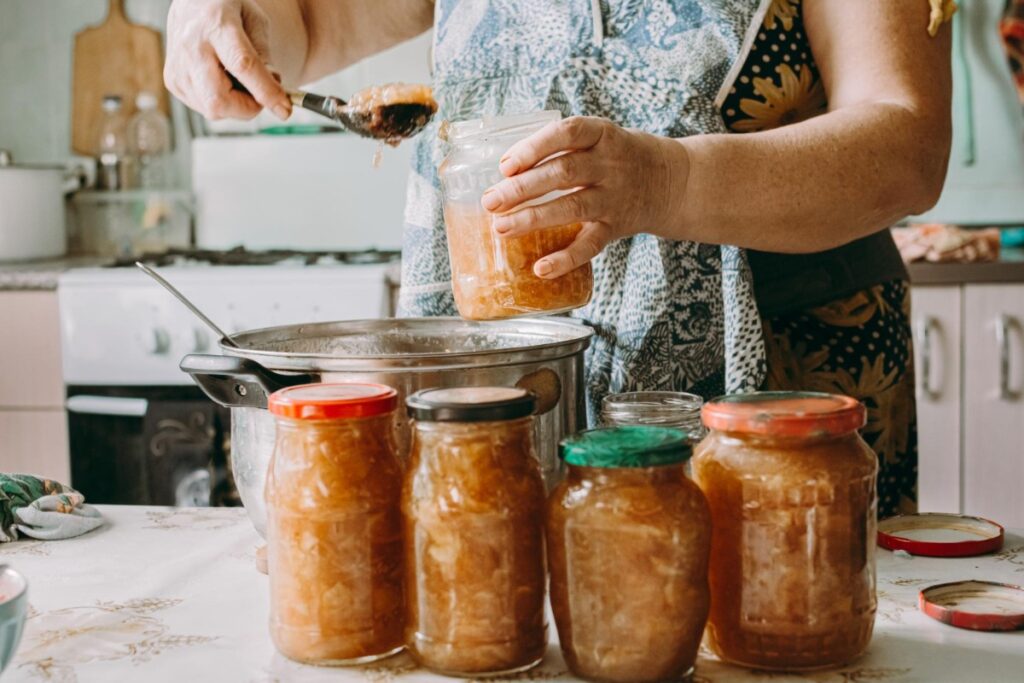
Mason jars filled with homemade jams, jellies, or pickles can make guests think you’re someone who likes to save. Making your own preserves means you use fresh fruits or vegetables instead of buying expensive store brands.
You also avoid waste by using produce that might otherwise spoil. Filling mason jars with your own food shows you value homemade and careful use of resources.
These jars last a long time when sealed well, helping you store food without needing to buy more often. They add a practical touch to your kitchen, which many associate with smart living.
Preparing preserves is more than saving money. It shows you like to plan ahead and enjoy what you make yourself.
Reused gift wrap and old greeting cards
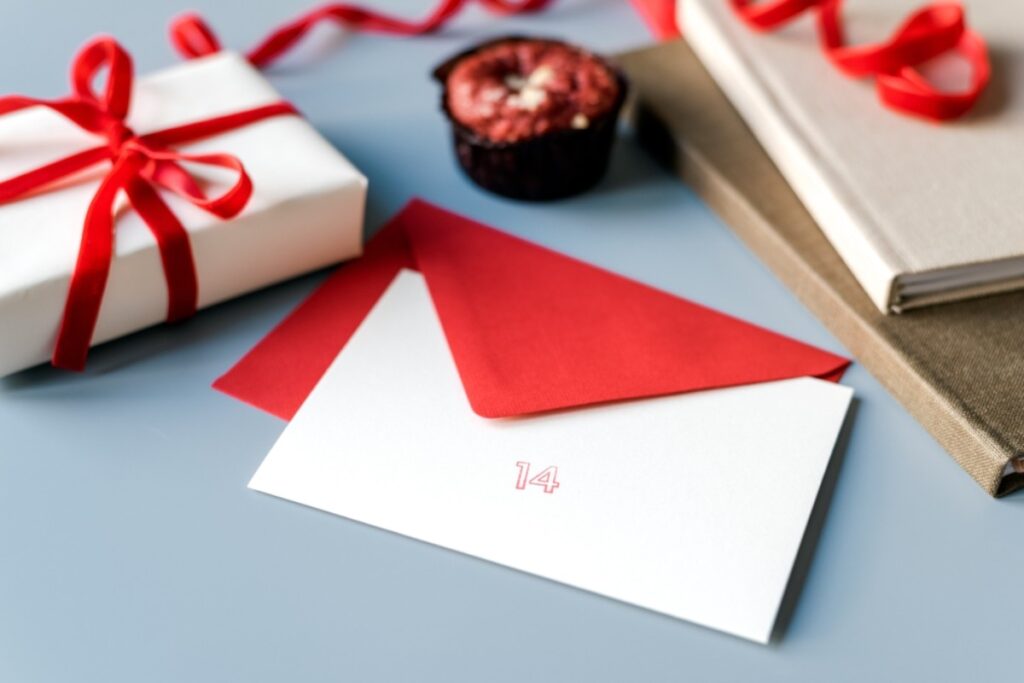
Saving used gift wrap and old greeting cards is one of those habits that gets noticed. Instead of tossing these items, you reuse them for new gifts or creative projects.
Old greeting cards can become bookmarks or small gift tags. Some people save their favorite cards to use as decorations or in craft projects.
By holding onto and reusing gift wrap and cards, you show you care about cutting waste. It also means you spend less on supplies.
Keeping these items ready for another use takes some effort. But it can save you from buying new materials for wrapping or crafts.
Hand-me-down furniture with fresh paint

Hand-me-down furniture with a fresh coat of paint stands out in any room. You don’t need to spend money on new pieces when a little paint can make your hand-me-downs look fresh and clean.
Choosing the right color for your furniture lets you match it to your room. Bright or neutral tones work well to update worn surfaces without much effort.
Painting is a cost-effective way to customize your space. People often see painted furniture as a sign you prefer making things last instead of buying new items.
With some simple steps, your old chairs, tables, or dressers can look like new. It’s a smart way to care for your home and your budget at the same time.
Energy-saving LED light bulbs
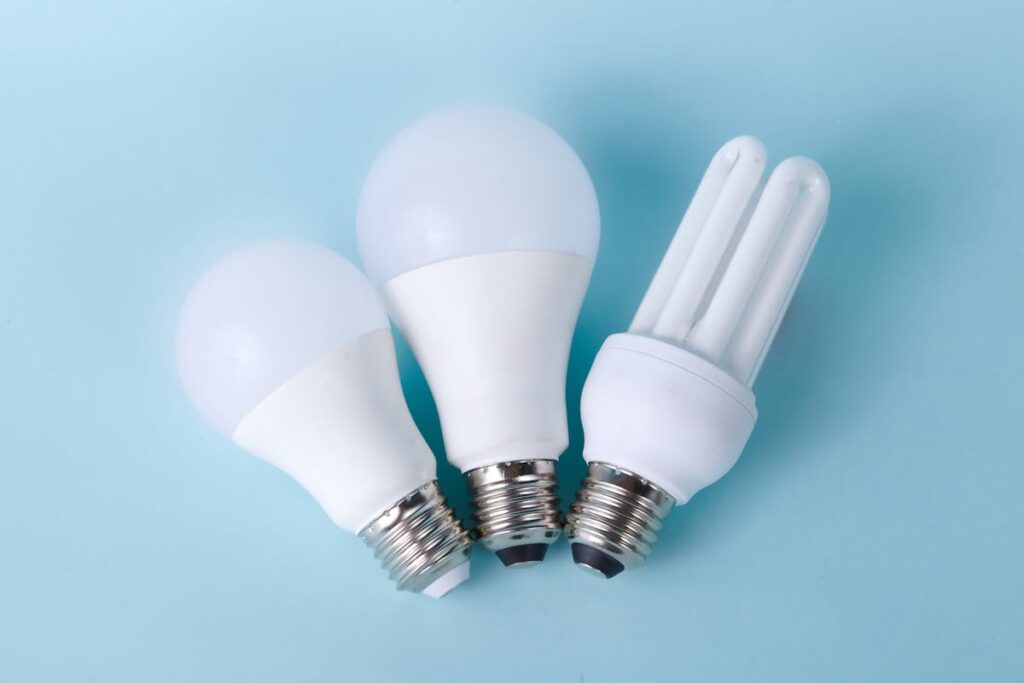
LED light bulbs are a small swap with a big impact. These bulbs use much less energy than regular ones and save you money on electricity bills over time.
LED bulbs last much longer, so you don’t have to buy new bulbs very often. You can have the same amount of light using much less power.
Switching to LED lights shows you care about saving energy. They come in different colors and sizes, so you can choose what fits your space best.
Using these bulbs is a simple way to make your home more efficient. People often see this and assume you are smart about your spending.
DIY compost bin in the kitchen
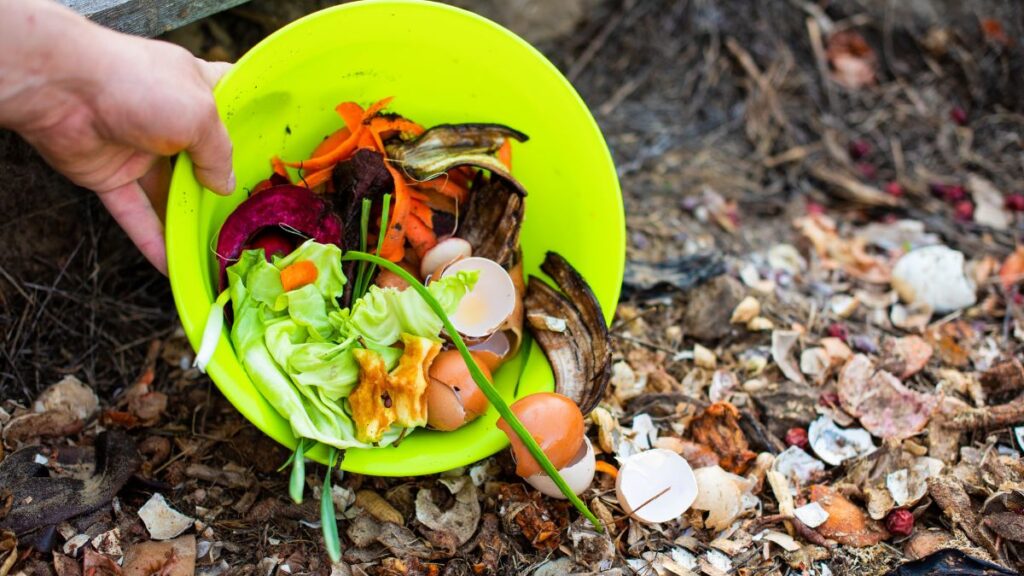
A compost bin in the kitchen is a sure sign you like to reduce waste and save money. You can turn food scraps like fruit peels and vegetable leftovers into nutrient-rich soil for your plants.
Making your own compost bin is easy and affordable. You only need a few simple items like a bucket or a small container with a lid.
Adding holes for airflow helps speed up composting and keeps smells down. Place your compost bin in a convenient spot in your kitchen to collect scraps daily.
Starting small works well, especially if you don’t have outdoor space. This way, you reduce trash and create something useful without spending much money.
Old books stacked neatly as decor
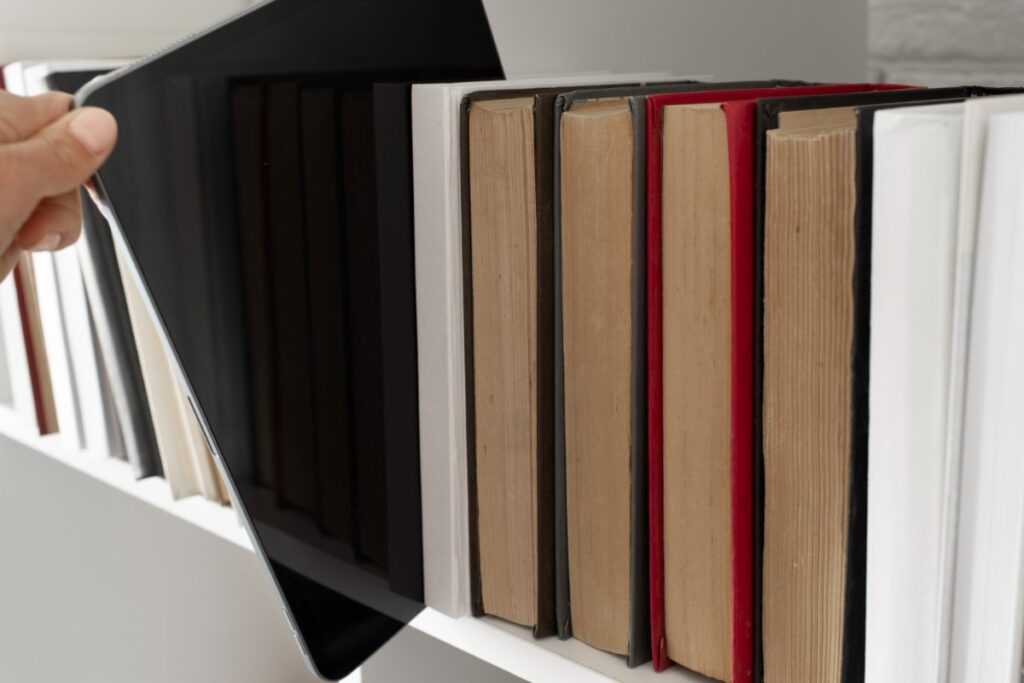
Stacks of old books around your home can say a lot about your approach to spending. Using books you already own as decoration shows you find value in what you have.
You can arrange your books in small piles on tables or shelves. Adding a candle or a small object on top can make the stack look thoughtful and cozy.
Stacking old books also shows creativity. Instead of throwing books away, you give them new use.
Decorating with old books fits many home styles. Whether your space is rustic, minimalist, or vintage, old books add a warm touch.
Repurposed glass bottles as vases
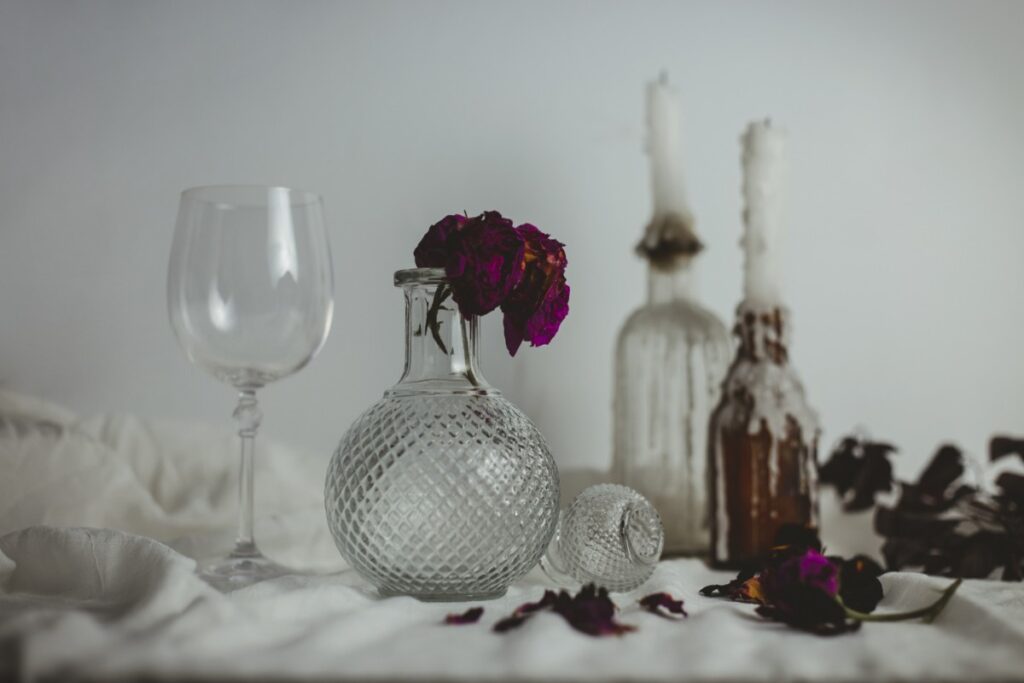
Turning old glass bottles into vases is a clever way to decorate without spending extra. Just clean the bottles and use them to hold single flowers or small bouquets.
Using glass bottles as vases shows you like to make the most out of what you have. It also adds a bit of vintage or rustic style to your home.
If you want, you can decorate the bottles with paint, twine, or labels. This lets you match them to your room’s look without buying new items.
Having these repurposed bottle vases can make visitors think you’re careful with costs. You’re showing that you don’t waste, but still care about how your home looks.
Jarred bulk spices organized on shelves
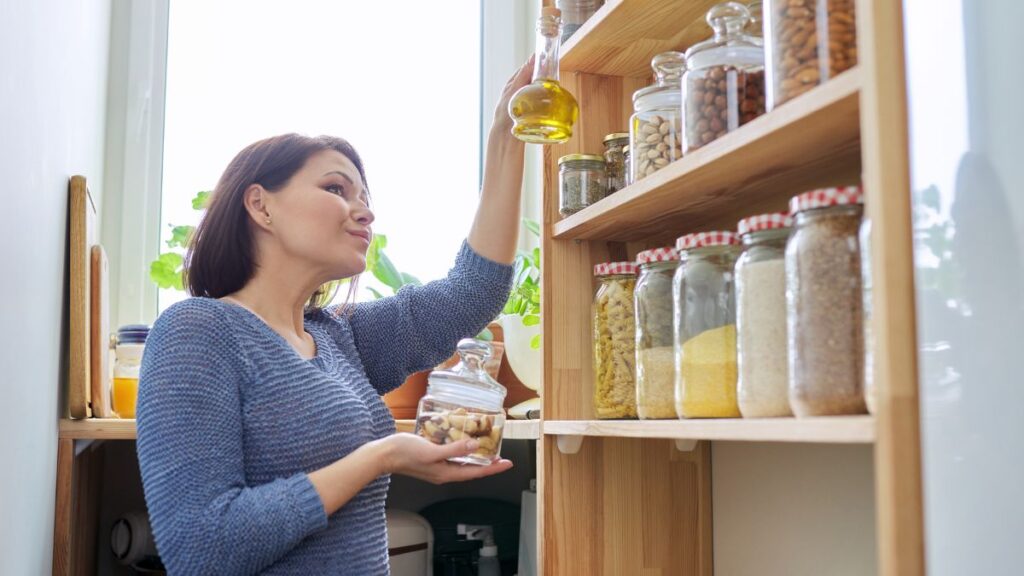
Keeping spices in jars and storing them neatly on shelves is a subtle hint at your frugal ways. Buying spices in bulk and using jars saves you from buying small, expensive containers over and over.
Simple glass jars help keep your spices fresh and easy to find. When your spices are labeled and lined up, you won’t waste time or money buying duplicates.
Organizing your spices on shelves shows you make your kitchen work well. You avoid clutter and use space wisely, which many people think is a smart habit.
Cloth napkins instead of paper
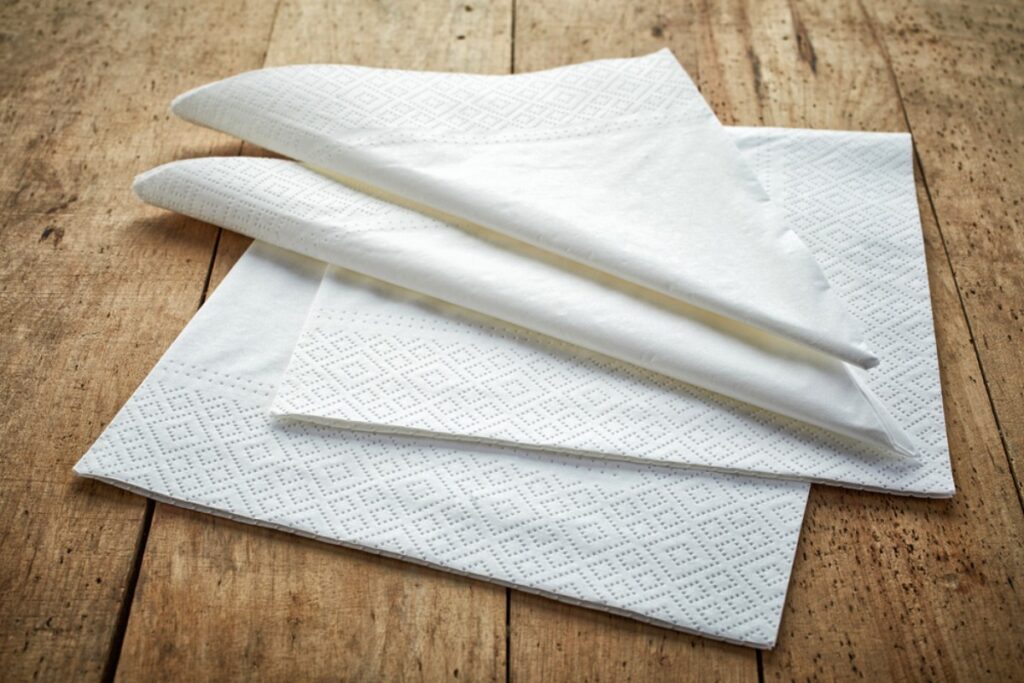
Cloth napkins are a classic sign of someone who wants to save money and cut down on waste. Cloth napkins can be washed and reused many times, so you don’t need to keep buying disposable ones.
You might think cloth napkins add work, but they are easy to manage. Kids can help fold them, and washing doesn’t use much extra effort.
Cloth napkins come in different sizes and fabrics, like cotton or linen. They can make your table look nicer without costing much.
Switching to cloth is a small change that can make a big impact on your daily routine and spending habits.
Secondhand clothes folded carefully
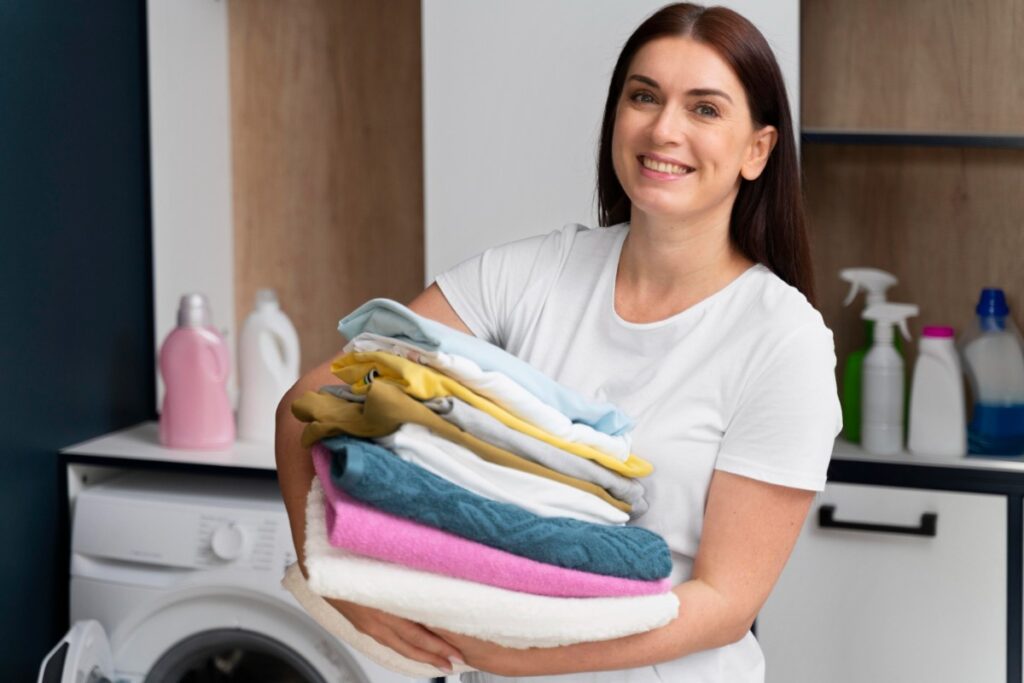
Ever notice how a tidy closet just feels better to open? When you keep secondhand clothes neatly folded, it shows you care about your belongings.
Folding them well helps your closet look organized. People often pick up on these little details and see you as thoughtful with money.
Taking time to fold clothes properly also protects the fabric. This means your clothes last longer and you save money on replacements.
You don’t need to spend money on fancy storage. Simple folding techniques can make your wardrobe feel spacious and neat.
Treating your clothes well sends a message. It tells others you value what you have and make smart choices.