
If You Grew Up Poor, You Probably Still Refuse To Spend On These 11 Everyday Things
Money habits from childhood have a way of sticking around, even when your situation changes. If you grew up counting every penny, you might still find yourself second-guessing certain purchases today.
Old routines shape how you see value and what feels “worth it.” Sometimes it’s not about what you can afford now, but about what you learned back then.
Daily coffee shop splurges
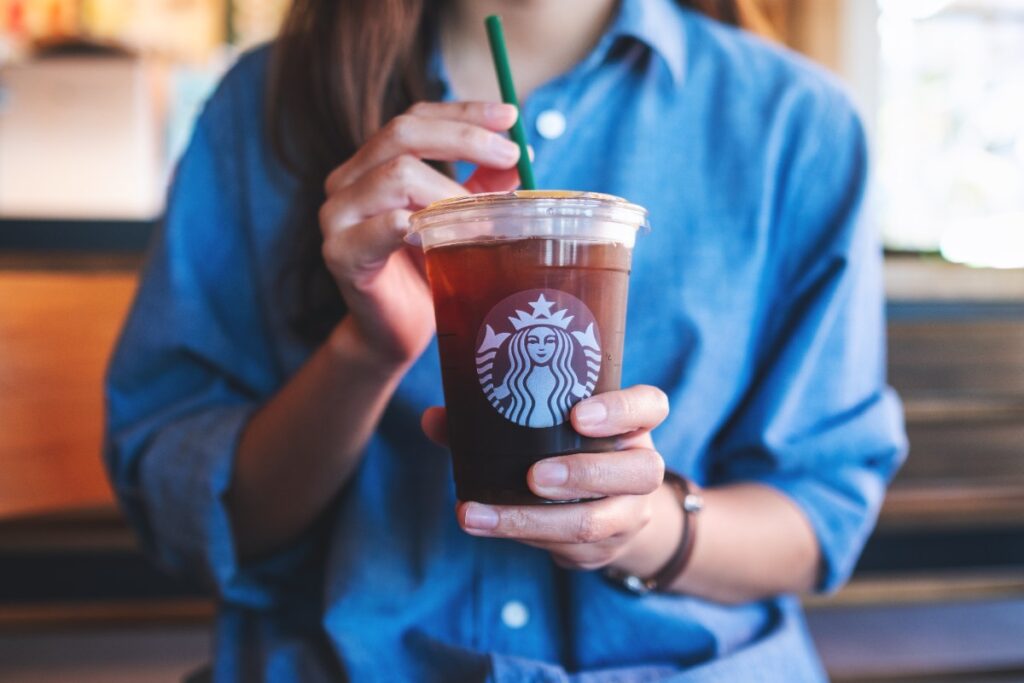
Maybe you see friends grabbing lattes every morning, but you still brew your own coffee at home. It’s not just about the price; it feels unnecessary to pay extra for something you can easily make yourself.
Even if your budget allows for coffee shop treats, you might skip them because those small costs add up fast. You feel better saving that money or spending it on something more meaningful.
Making your own coffee gives you control over your spending. It’s a small habit that helps you feel steady and smart with your money.
Branded or designer clothing
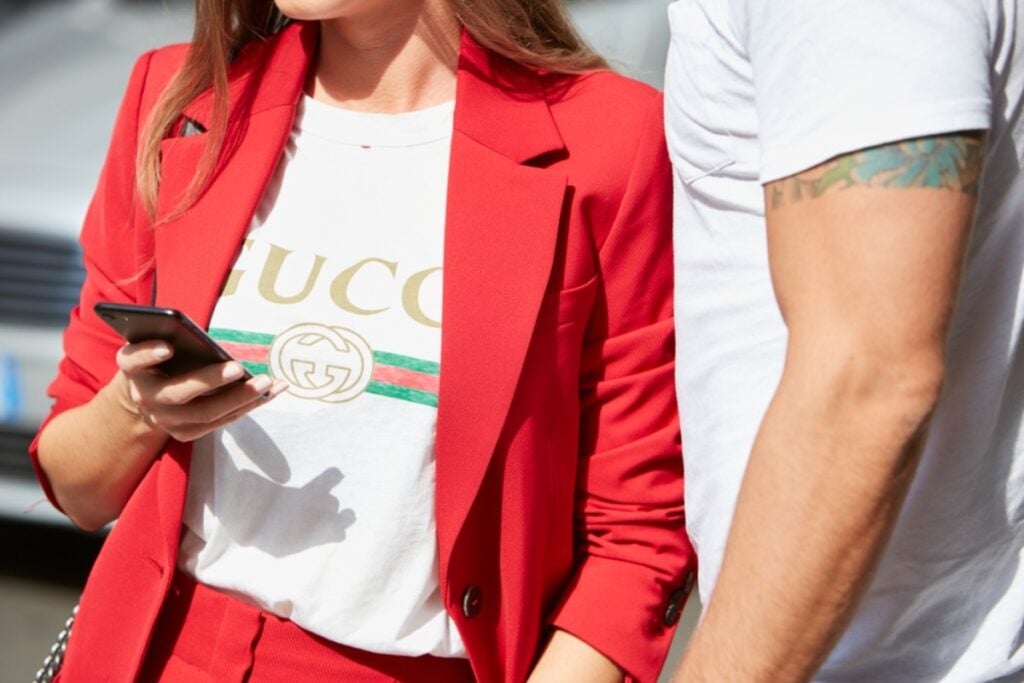
When it comes to clothes, you might walk past the big brand names without a second thought. Paying extra for logos or status symbols just doesn’t feel right.
Growing up, your family probably focused on basics that lasted, not on expensive trends. You might prefer secondhand finds or sales over flashy labels.
The idea of spending a lot on fashion can feel wasteful. Smart shopping and finding value matter more to you than following the latest styles.
Eating out at restaurants frequently

Grabbing dinner out with friends can be fun, but you might still hesitate when the bill comes. Eating at restaurants often feels like a luxury you don’t need.
You may save dining out for special occasions or stick to cheaper menu options. Old habits of stretching every dollar make it tough to splurge on extras.
Cooking at home just feels safer and more in control. Spending money on meals you could make yourself doesn’t always sit right.
Buying new electronics on release
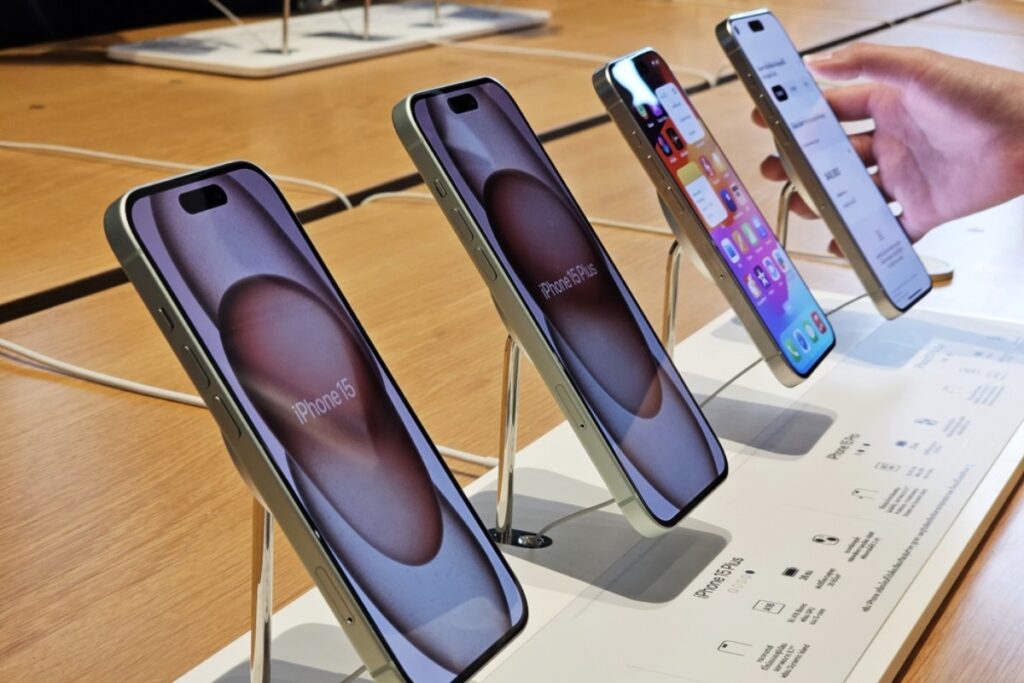
When a new phone or gadget drops, you’re probably not the first in line. Waiting for prices to fall or for sales feels like the smarter move.
You might hold on to your old devices longer than most people. Making things last and avoiding quick upgrades is second nature to you.
It’s about making sure your money goes as far as possible. Paying full price for the newest thing just doesn’t seem worth it.
Premium skincare products
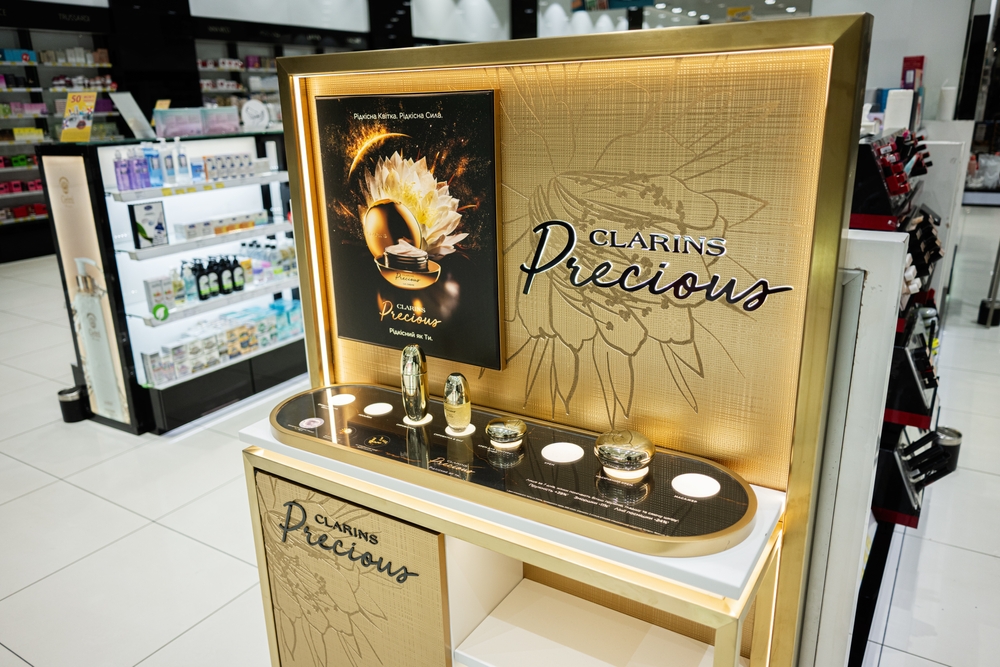
Fancy skincare products line the shelves, but you stick to what works. Spending on creams and serums with big promises feels risky if you’re not sure they’ll deliver.
You look for items with proven results and good reviews. Buying less and using what you have carefully helps you save without missing out.
You don’t feel pressure to try every new trend. It’s about getting value, not just following hype.
Gym memberships

Signing up for a gym might still feel like a big commitment. You remember times when every dollar mattered, so monthly fees can seem unnecessary.
You might prefer working out at home, running outside, or using free resources. Avoiding recurring costs feels safer and more responsible.
Even if you have more money now, you think twice before joining. You want to be sure you’ll use it and get your money’s worth.
Taking taxis instead of public transit

Hopping in a taxi can feel like a splurge, even when it’s more convenient. Public transit might be slower, but it’s what you’re used to.
You grew up stretching every dollar, so spending more for a ride feels hard to justify. Old habits make you weigh every cost, even when things change.
Choosing the cheaper option is about making the most of what you have. It’s a pattern that feels smart and responsible.
Subscription services like Netflix
Streaming services are everywhere, but you might hesitate to sign up for all of them. Monthly charges can sneak up and start to feel overwhelming.
You might share accounts or stick to just one or two services. Free or cheaper options seem more appealing when you want to keep your budget steady.
Being careful with subscriptions is a habit from watching every expense. You know how quickly the little things add up.
Home décor upgrades
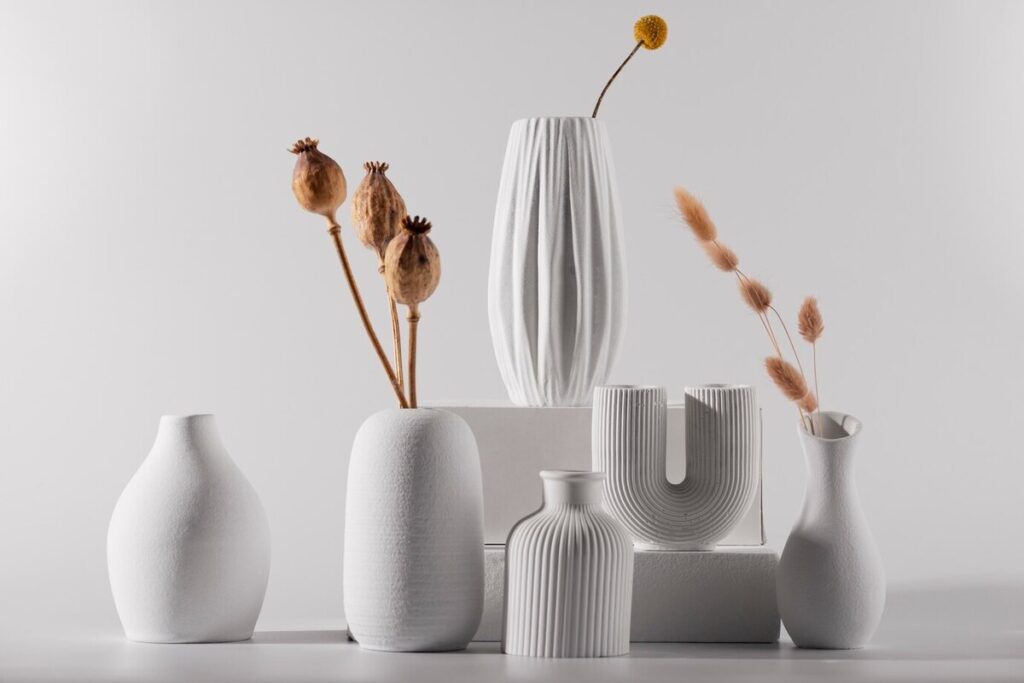
Making your space feel like home doesn’t have to mean spending big. You look for simple, affordable ways to brighten up your place.
Small touches like new pillows or plants can make a difference. You focus on quality and meaning instead of trends.
You get creative with what you have. Changing things up on a budget feels more rewarding.
Impulse buys like snacks or candy

Those little treats at the checkout are easy to skip. You’re used to sticking to a list and avoiding unnecessary extras.
Impulse buys can add up fast and leave you with regret. You’d rather save that money for something important.
It’s not about being strict; it’s about being mindful. Keeping your spending in check helps you feel confident and in control.
Expensive gifts for oneself
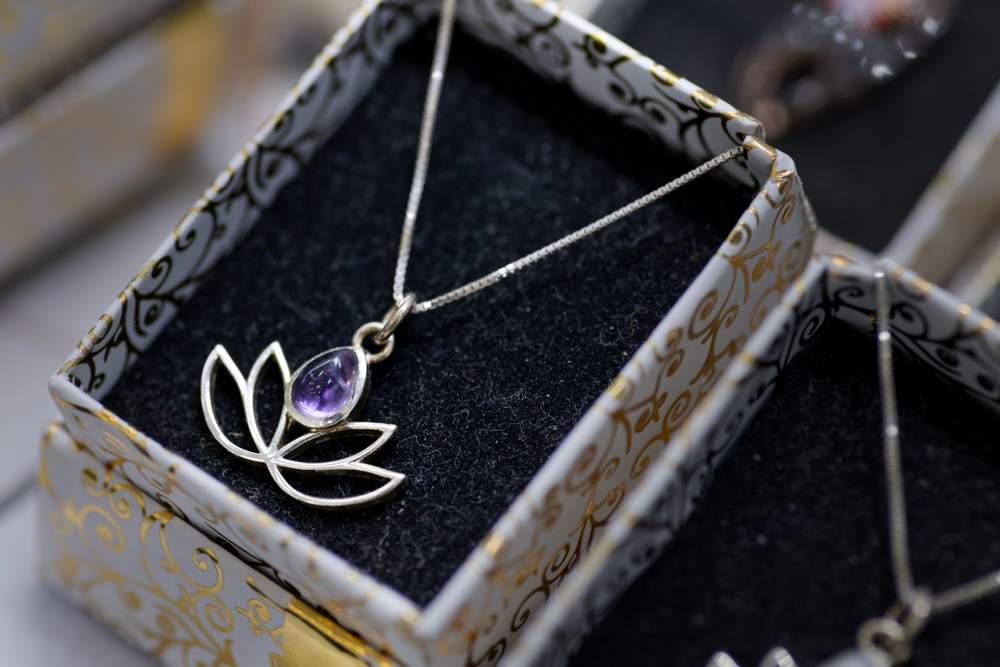
Growing up without much money can make spending on yourself feel awkward. Even now, when you have the means, it might seem strange to splurge.
You might find yourself hesitating before buying something nice just for you. There’s a lingering habit of always watching every penny.
Sometimes, you worry that getting an expensive gift for yourself is wasteful. The idea of treating yourself can bring up guilt, even on your birthday or a special day.
You may end up picking the cheapest option or skipping gifts altogether. Old habits are tough to break.
It’s easy to think of expensive gifts as unnecessary. Focusing only on needs becomes second nature after a while.
Making yourself a priority can feel uncomfortable at first. But learning to enjoy a treat now and then is part of moving forward.