

Frugal People Refuse to Waste Money on These 10 Everyday Items and Save Big
Ever notice how some people always seem to have a little extra cash at the end of the month? It’s often because they make simple choices that help them avoid wasting money on things that don’t really matter. Frugal living isn’t about being stingy—it’s about making smart decisions that add up over time.
There are certain everyday items that frugal folks skip without even thinking twice. Knowing what these are can help you stretch your budget and keep more of your hard-earned money. Here are ten things you might want to reconsider buying if you want to see real savings.
Bottled water

Grabbing bottled water seems harmless, but those bottles can take a serious bite out of your wallet over time. Tap water is usually safe, especially with a good filter, and it’s nearly free.
A reusable water bottle makes it easy to stay hydrated for less. You just fill up at home and go. This swap also means less plastic waste piling up in your trash.
A water filter or purifier can make tap water taste just as good as anything you’d buy. Once you have one, you won’t need to spend on bottles again.
Expensive beauty treatments
It’s tempting to think pricey beauty treatments will work wonders, but many don’t live up to the hype. Dermatologists often say you’re better off with simple routines.
Big-ticket facials and luxury cleansers can cost a lot without giving better results. You can often get the same benefits from affordable products or DIY options at home.
Some treatments might even cause skin issues if overused. Doing a little research and sticking to basics can keep your skin healthy and your wallet happy.
Lottery tickets
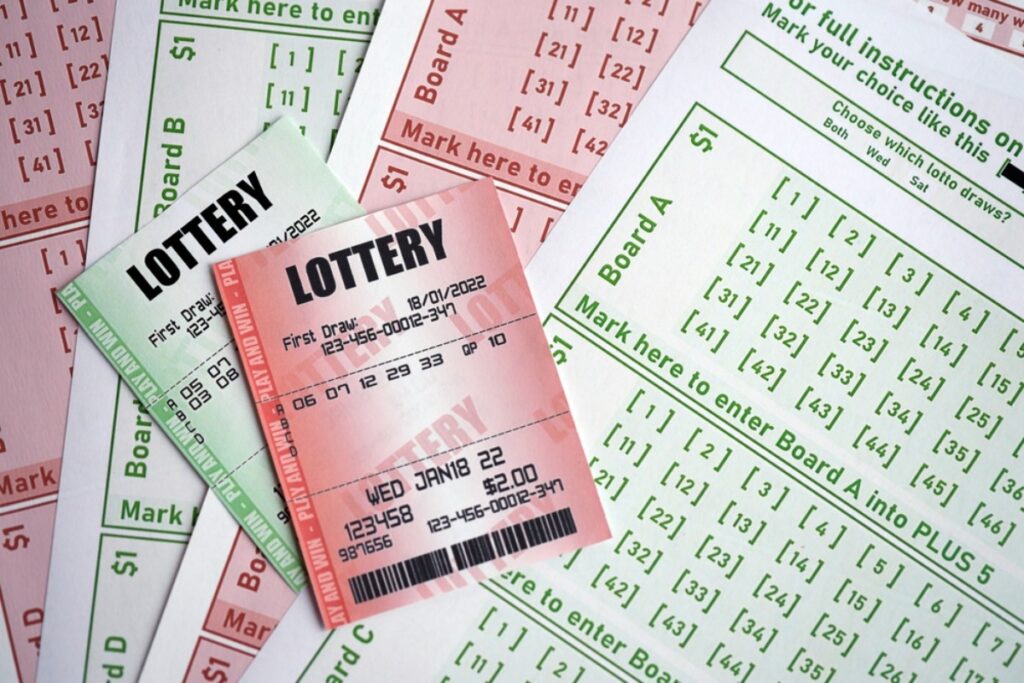
Buying lottery tickets can feel exciting, but most people never see a real return. The odds are stacked against you, and those small purchases can add up fast.
Instead of chasing a slim chance at a jackpot, you could save or invest that money for something real. Even a few dollars a week can make a difference over time.
Choosing not to play is about focusing on what actually helps your financial future. There are better ways to grow your money than hoping for a lucky break.
Disposable coffee cups
It’s easy to grab a disposable coffee cup when rushing out the door, but those cups cost more than you think. They’re also tough on the environment since most aren’t recycled.
A reusable cup saves money over time and can even get you discounts at coffee shops. Plus, you’re helping cut down on waste.
Reusable cups come in all kinds of styles. Once you get used to carrying one, it becomes part of your daily routine.
Single-use plastic bags
Single-use plastic bags seem harmless, but they add up quickly and rarely last. They often end up as litter, costing communities money to clean up.
Bringing your own bags is an easy way to save. Many stores offer small discounts when you use your own, and you’ll avoid paying for bags every time you shop.
You don’t need fancy bags—just something sturdy and reusable. Over time, this habit helps your budget and the planet.
Premium cable TV packages
Paying for a full cable package often means you’re spending on channels you never watch. That’s money that could be better used elsewhere.
Streaming services or digital antennas let you pay only for what you actually want to watch. Many frugal people rotate their subscriptions to keep costs down.
Cutting out premium cable can lower your monthly expenses without sacrificing entertainment. You still get your favorite shows and movies for less.
Overpriced convenience snacks
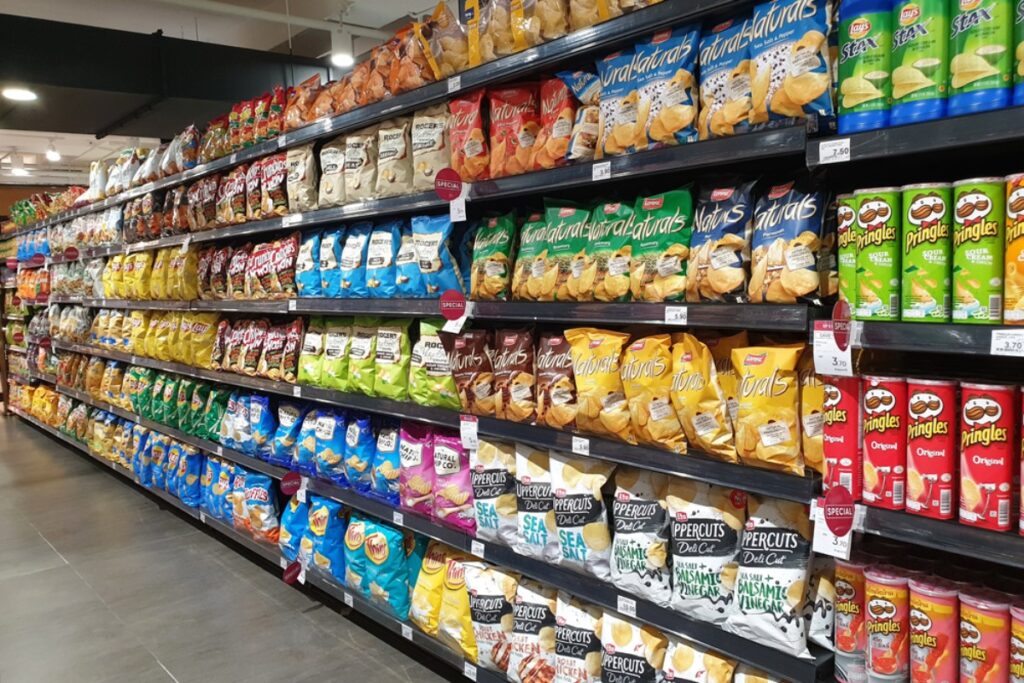
It’s easy to grab a snack on the go, but those individually packaged treats are often overpriced. You’re mostly paying for the packaging and branding.
Buying snacks in bulk or making your own at home costs less and usually tastes better. A little planning goes a long way.
Switching to fresh fruit, nuts, or homemade snacks can help you avoid extra spending. You still get tasty options without the markup.
Trendy clothing brands
Keeping up with the latest fashion trends can drain your wallet fast. Trendy clothes go out of style quickly, leaving you with pieces you don’t wear.
Choosing timeless, versatile clothing is a smarter way to build a wardrobe. These items last longer and stay in style through many seasons.
Fast fashion often means lower quality and more waste. Looking for brands that focus on durability and sustainability can save you money in the long run.
Gym memberships not used regularly
A gym membership sounds like a good investment, but only if you actually use it. Many people pay for gyms they rarely visit.
Frugal people find free or low-cost ways to stay active, like walking, running, or home workouts. If you’re not committed, it’s better to skip the membership.
Before signing up, think about how often you’ll really go. If you’re unsure, try other options first.
Brand-name cleaning products
Brand-name cleaning products usually cost more, but they don’t always work better than simple, homemade solutions. Basic ingredients like vinegar and baking soda can clean just as well.
Refillable or DIY cleaners help you save money and reduce waste. You get a clean home without paying for fancy packaging or scents.
Sticking to just what you need keeps your cleaning routine simple and your cabinets less cluttered.
Mindset Shifts for Frugal Living
Living frugally starts with changing the way you think about spending. It’s about making sure your money goes to what truly matters and avoiding things that just add clutter or stress.
Distinguishing Needs Versus Wants
Learning to tell the difference between what you need and what you want is key. Needs are essentials—food, shelter, and basic clothing. Wants are extras that are nice to have but not necessary.
Before buying something, ask yourself if it’s really needed or just a passing desire. This habit helps you avoid impulse purchases and keeps your budget in check.
Embracing Long-Term Value
Frugal living is about thinking ahead. Instead of buying cheap things that break, invest in quality items that last longer.
Look for products that are durable and have multiple uses. A sturdy pair of shoes or a well-made bag might cost more up front, but you won’t have to replace them as often.
How to Cultivate Smart Spending Habits

Getting better with money means setting clear goals and paying attention to your daily spending. Knowing what you want to save for makes it easier to stay on track.
Setting Personal Budget Goals
Start by tracking how much you earn and where your money goes each month. Write down your regular expenses and set specific savings goals.
Use a simple planner or app to keep an eye on your progress. Check in each week to see if you need to make changes.
Pick goals that fit your lifestyle. If your targets are too tough, it’s easy to lose motivation. Small, steady changes can add up to big savings over time.
Evaluating Everyday Purchases
Have you ever wondered where your money goes each month? Sometimes, it feels like your wallet empties faster than you expect.
Think about the things you buy out of routine. Maybe it’s grabbing a coffee every morning or picking up snacks that end up uneaten.
These everyday choices can quietly drain your budget. Try jotting down your most frequent purchases for a week.
Once you see your list, it’s easier to spot habits you could change or swap for less expensive alternatives.
Next time you’re tempted by a sale, pause and ask if you truly need the item.
Focusing on what really adds value to your life can help you make better spending decisions.