

The “Healthy” Breakfast Meat Cardiologists Say Can Harden Arteries Faster Than You Think
Breakfast can be rushed, and grabbing something quick that seems healthy feels like a win. But some breakfast meats that look like better choices can actually be tough on your arteries.
Knowing which meats to limit and what to swap in can make a real difference. Let’s look at common breakfast meats, what makes them risky, and how you can keep your heart in better shape.
Processed turkey bacon
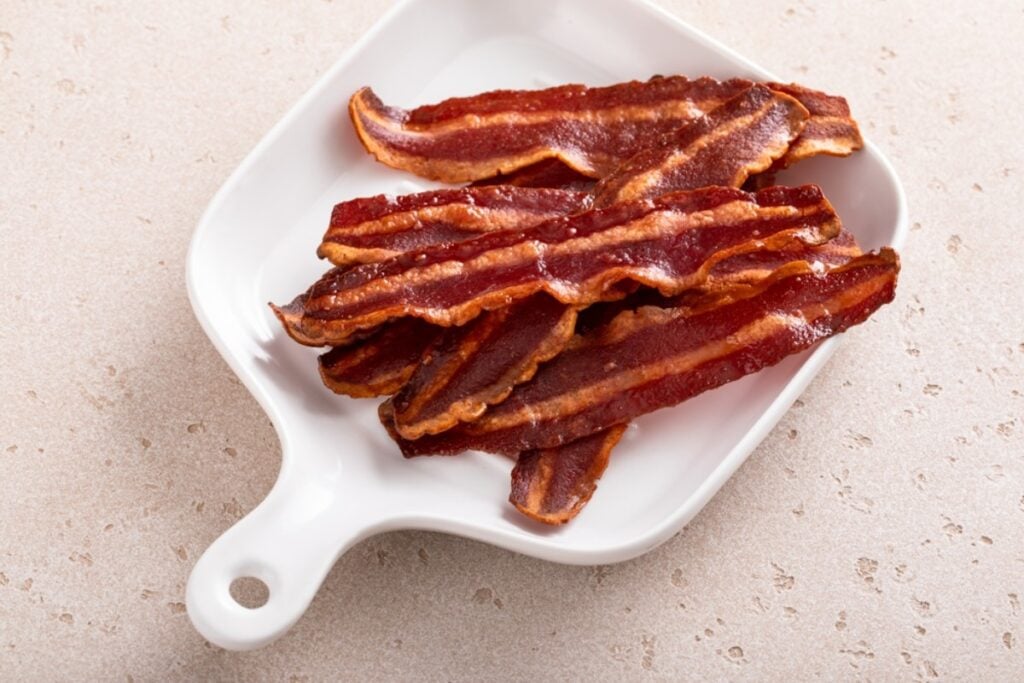
Turkey bacon is often seen as a lighter pick than pork bacon. It usually has less saturated fat, but it is still a processed meat.
When meat is processed, it’s salted, smoked, or flavored to taste like traditional bacon. This adds sodium, preservatives, and other ingredients that can impact your heart.
Labels can be tricky. Some brands cut fat but keep sodium and additives high, so the heart risks might not change much.
Cooking turkey bacon at high heat or until it’s very crisp can also create harmful compounds. Try using lower heat and shorter cook times.
Balance your plate by keeping portions small and adding vegetables, whole grains, or fruit. This helps lower the overall impact on your heart.
Low-fat chicken sausage
Low-fat chicken sausage might sound like a smart swap for pork or beef. It can help reduce saturated fat and calories while still giving you protein.
Check the ingredients for sodium and additives, though. Many chicken sausages get flavor from extra salt or preservatives, which can work against your heart health.
Look for options made from skinless chicken breast with just a few ingredients. Simple recipes with herbs and spices are usually better.
Add vegetables, whole grains, or fruit to your meal. This helps you get more fiber and nutrients and less processed meat.
Maple-flavored breakfast sausages
Maple-flavored sausage can be tempting for its sweet, cozy taste. That flavor often comes from added sugar or syrup, which adds calories but not much nutrition.
These sausages are usually processed and can be high in sodium and saturated fat. Eating them often can increase your heart disease risk.
Preservatives and nitrates are often used to keep the meat looking fresh. Over time, eating a lot of these chemicals can be hard on your arteries.
If you love the flavor, try plain turkey or chicken sausage with a small drizzle of real maple syrup. Spices like cinnamon or smoked paprika can also create a sweet-savory taste.
Vegetarian breakfast patties
A vegetarian patty can seem like a quick, meat-free fix for breakfast. Some are lower in saturated fat, but many are still high in sodium and additives.
Look for patties made from beans, lentils, or vegetables. These give you fiber and protein without the risks of processed meats.
Cooking at home lets you control salt and oil. Try olive oil in moderation and use herbs and spices for flavor.
Pair your patty with whole grains and fresh fruit. This combo is easier on your arteries than a greasy, processed breakfast meat.
Lean ham slices
Lean ham often looks healthier than bacon or fattier meats. It provides protein and can help keep you full.
Many ham slices are loaded with salt and nitrates, though. These can raise blood pressure and may harm your arteries over time.
Pick low-sodium, minimally processed ham when possible. Look for “no nitrates added” and compare sodium per serving.
Use ham as a small part of your meal. Add whole grains, fruits, or vegetables to help balance things out.
Nitrate-free turkey bacon
Nitrate-free turkey bacon skips added nitrates and nitrites, which have been linked to artery problems in some studies. This can lower your exposure to those preservatives.
But sodium and other additives can still be high. Always check the nutrition label for salt, fat, and ingredients.
How you cook it matters too. Avoid frying until crisp, as high heat can create harmful compounds. Baking or using lower heat is better.
If you want even less processing, try lean turkey breast or smoked salmon. These options usually have fewer additives and more nutrients.
Smoked salmon

Smoked salmon feels like a treat and does offer protein and omega-3 fats. These nutrients support your heart and brain.
The downside is the salt. Smoking and curing add a lot of sodium, which can raise blood pressure if you’re not careful.
Look for lower-sodium or lightly smoked choices. Pairing smoked salmon with whole grains, veggies, or low-sodium dairy can help balance the salt.
Keep an eye on portions. A small amount a few times a week is fine, but eating it daily can add up in sodium and preservatives.
Pork bacon labeled ‘uncured’
Seeing “uncured” on pork bacon might make it sound better for you. This means no synthetic nitrates were added.
Producers often use celery powder or other natural sources of nitrates instead. Your body reacts to these much the same way as to synthetic ones.
Uncured bacon can still be high in sodium, fat, and preservatives. Check the ingredient list and nutrition facts before buying.
For a healthier breakfast, keep portions small or pick lean, minimally processed proteins. Baking or grilling can also help reduce extra fat.
Beef breakfast sausages
Beef sausages might seem filling and easy to make. Many store-bought types are high in saturated fat and sodium, which can increase your blood pressure and hurt your arteries.
Check the label for added preservatives and fillers. These can add salt and calories without much nutrition.
If you want to eat them sometimes, go for leaner ground beef or sausages labeled low-sodium and lower in saturated fat. Drain off excess fat after cooking.
Try swapping in turkey or plant-based options now and then. Adding whole grains and vegetables to your plate helps make the meal better for your heart.
Pre-cooked bacon with preservatives
Pre-cooked bacon is a time-saver, but it often has extra preservatives like nitrates and nitrites. These chemicals help keep the meat looking good, but they can form risky compounds when cooked at high heat.
Pre-cooked bacon usually has more sodium and added sugars than raw bacon. Too much salt can raise your blood pressure and strain your heart.
Check ingredient lists for words like “sodium nitrite” or “natural flavors.” Compare sodium counts per serving to pick a smarter option.
If you eat pre-cooked bacon, keep it as an occasional treat. Pair it with vegetables and whole grains to help offset the impact.
Why Certain Breakfast Meats Are Risky
Added chemicals, salt, and fats in many breakfast meats can damage artery walls and raise heart risks. Understanding how these ingredients affect your body can help you make better choices.
The Science Behind Artery Hardening
Processed breakfast meats are often loaded with sodium and nitrates. Sodium can raise blood pressure, making your artery walls stiffer over time.
Nitrates and nitrites can create compounds that irritate artery linings and trigger inflammation. Inflammation attracts immune cells and causes tiny vessel injuries.
These injuries let cholesterol and calcium build up as plaque. Over the years, plaque narrows and stiffens arteries, a process called atherosclerosis.
That reduces blood flow and increases the risk of heart attack and stroke.
Cholesterol and Saturated Fat Concerns
Many breakfast meats are made from red meat or processed blends high in saturated fat. Saturated fat raises LDL or “bad” cholesterol, speeding up plaque buildup.
Eating these meats often can also increase your daily calorie and fat intake. This can lead to weight gain, higher blood pressure, and insulin resistance.
Both of these conditions add to artery damage. Choosing lower-sodium, lean proteins and limiting processed meats can help lower your risks.
What Cardiologists Recommend Instead
Building a better breakfast is about more than just skipping bacon. Choosing proteins and habits that lower sodium, skip nitrates, and add healthy fats and fiber can help protect your heart.
Heart-Healthy Protein Alternatives
Look for proteins that are lower in sodium and free from unnecessary additives. Some good options include:
- Eggs: Poached or boiled eggs give high-quality protein and vitamin D. Go easy on butter and oils.
- Greek yogurt: Pick plain, low-fat or full-fat versions. Add fruit or a sprinkle of nuts for more fiber and healthy fats.
- Smoked salmon: This offers omega-3 fats. Rinse to lower surface salt and watch your portion size.
- Lean poultry or tofu: Grilled turkey breast or firm tofu provide protein without nitrates. Season with herbs instead of pre-made mixes.
- Nuts and nut butters: Almonds, walnuts, or a tablespoon of natural peanut butter give you protein, fiber, and healthy fats. Keep portions small.
Mix up these choices during the week. This helps you avoid too much sodium or preservatives and keeps breakfast interesting.
Tips for Making Better Breakfast Choices
Ever find yourself rushing through breakfast and grabbing whatever is quick? It happens to all of us.
Take a moment to read labels and try to pick foods that are low in sodium and added sugar. If you can, choose options with less than 300 mg of sodium per serving.
It helps to compare packages and look for ingredient lists that are short and easy to recognize. This makes it easier to know what you’re actually eating.
When building your breakfast plate, aim for balance. Fill half your plate with fruits and vegetables like berries, spinach, or tomato.
Use a quarter of your plate for whole grains such as oats, whole-wheat toast, or quinoa. The remaining quarter can be your chosen protein.
Simple swaps can make a big difference. Try using plain yogurt with fresh fruit instead of flavored yogurt.
If you usually go for processed bacon, consider smoked salmon or a boiled egg instead.
Prepping ahead can save you time and stress in the morning. Hard-boil some eggs, portion out nuts, or slice fruit in advance.
Making a few small changes can help your mornings feel less hectic and keep you energized through the day.