Am I Wrong for Being Totally Agaisnt My Husband Installing a Camera that Can See and Hear Everything in Our Home?
Imagine walking into your own living room and feeling like every stray joke, offhand gripe, or late-night sing-along could be pulled up and replayed the next time you disagree with your partner. That’s exactly the scene one Reddit user, u/Eastern-Grand5789, laid out in a now-viral AITA post, and it reads less like a marriage squabble and more like a privacy-versus-peace negotiation gone wrong.
He wants to install a house-wide system that records everything said, indexed by a local AI to answer questions like “who said this” or “what did we say on Dec 5th.” She refuses. The fallout is messy, emotional, and surprisingly modern.
What he proposed: a practical fix or a surveillance state?
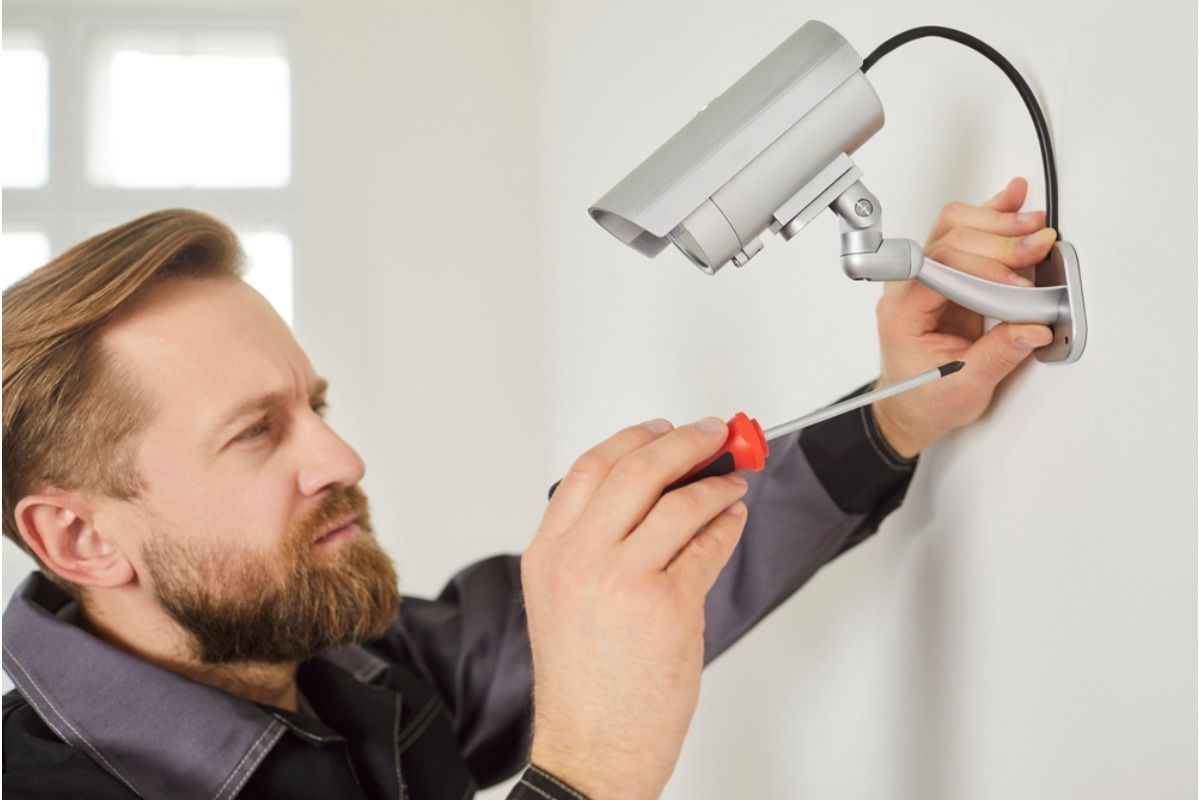
The husband in the Reddit post is an engineer who got fed up with repeated misremembered conversations. He pitched a technical solution: microphones throughout their apartment linked to a local AI system that would transcribe and store everything said. According to the poster, it would run entirely offline, a local LLM with no internet connection, and only transcripts, not raw audio, would be kept. The husband sees it as a tidy, rational way to stop arguments about who said what, when, or whether a particular topic was ever discussed.
How she felt: home turned into courtroom
The OP is vehemently opposed. She explains that, while they generally get along and trust each other, the constant recording would transform her home into a place where she’d have to watch every word. She says she likes being silly, singing randomly, and just “existing” in the privacy of their space. The idea gives her a “everything you say or do can and will be used against you” vibe. She clarifies she has nothing to hide, they’re faithful and trust each other, but that the sense of being under surveillance would take the comfort out of home. She also notes that miscommunications happen regularly but suggests the real problem might be stubbornness or not paying attention, not a technological need to prove who’s right.
How Reddit reacted: mostly “NTA” and a lot of alarm
The Reddit top comments were overwhelmingly supportive of the OP. Commenters called the idea dystopian, Orwellian, and Black Mirror-esque. One user, u/Jenicillin, summed up the consensus bluntly with “NTA,” pointing out that “constant surveillance in your own home sounds like a dystopian nightmare.” Others echoed that sentiment with similarly strong language: “What in the Orwellian hell is that,” and “Feels a bit heavy handed and like the start of a Black Mirror episode.”
People also raised practical concerns. u/Ducking_Glory warned about transcription accuracy by pointing out that even professional meeting transcripts can be unreliable, an important detail because a wrong transcript can make disputes worse, not better. Another commenter, u/Funky56, reframed the issue as potentially being rooted in neurodivergence or anxiety, describing their experience where misremembered conversations were tied to ADHD and trauma-related anxiety, not malice or dishonesty.
Across the thread, users were alarmed not only by the invasion of everyday privacy but by the power dynamics it could create: if one partner can always “prove” the other wrong with a transcript, that shifts how conflicts are navigated and can magnify stubbornness into control. Other responses focused on the emotional cost: people shared how they talk to themselves, sing out loud, and do private thinking that they would never want recorded.
What’s really at stake: trust, control, and how couples argue
At its core this isn’t just a debate about microphones and AI. It’s a negotiation about trust and the rules of being together. Technology can certainly solve logistic problems, reminders, calendars, or shared notes, but it’s clumsy when applied to the messy business of human memory and ego. The husband’s plan treats disagreement as a data problem to be solved by objective records. The wife experiences that framing as an erosion of the boundary that makes home feel safe and private.
There’s also a psychological element. If someone insists on a permanent record to “prove” they were right, it can feel less like a solution and more like a weaponized need to win. Even with a local-only system and transcripts rather than audio, the chilling effect is real: people self-censor, stop being playful, stop processing emotions aloud. That changes how intimacy works.
Practical middle ground, or why you might still say no
Before anyone wires a house, couples need to ask why they keep getting stuck on memory. Are they both trying to be right? Is attention a problem during conversations because of phones, distractions, or tiredness? Would simple, low-tech fixes, agreed-upon notes after important talks, shared to-do apps, or the habit of summarizing decisions out loud in the moment, handle most of the issues without turning the home into a searchable database?
If one partner truly feels unsafe emotionally, therapy can help unpack whether a desire to record stems from insecurity, control needs, or genuine communication impairment. If someone brings up neurodivergence or anxiety as part of the puzzle, as commenters did, professional guidance can provide both partners tools to communicate better and compassionately.
What To Take From This
This Reddit story is a clear, contemporary flashpoint: technology can amplify solutions but also expose deeper relationship dynamics. The quick takeaways are simple. First, recording your partner’s life for “clarity” is not a neutral fix, it changes trust dynamics and rarely solves the emotional roots of repeated arguments. Second, accuracy and interpretation matter: transcripts aren’t infallible and can make hurt feelings worse. Third, insistence on proof in a relationship can signal an underlying need for control or validation that deserves honest conversation or counseling.
If you find yourself in a similar situation, pause before you install anything. Talk about the problem more than the technology. Try low-tech compromises: agreed note-taking, a shared calendar, or a decision log you both add to after important talks. If those fail, consider couples therapy to get under why memory and attention keep triggering conflict. Ultimately, a home is more than a data archive, it’s a place to be human, make mistakes, sing badly, and trust that your person sees you for who you truly are, not just what a transcript can prove.