
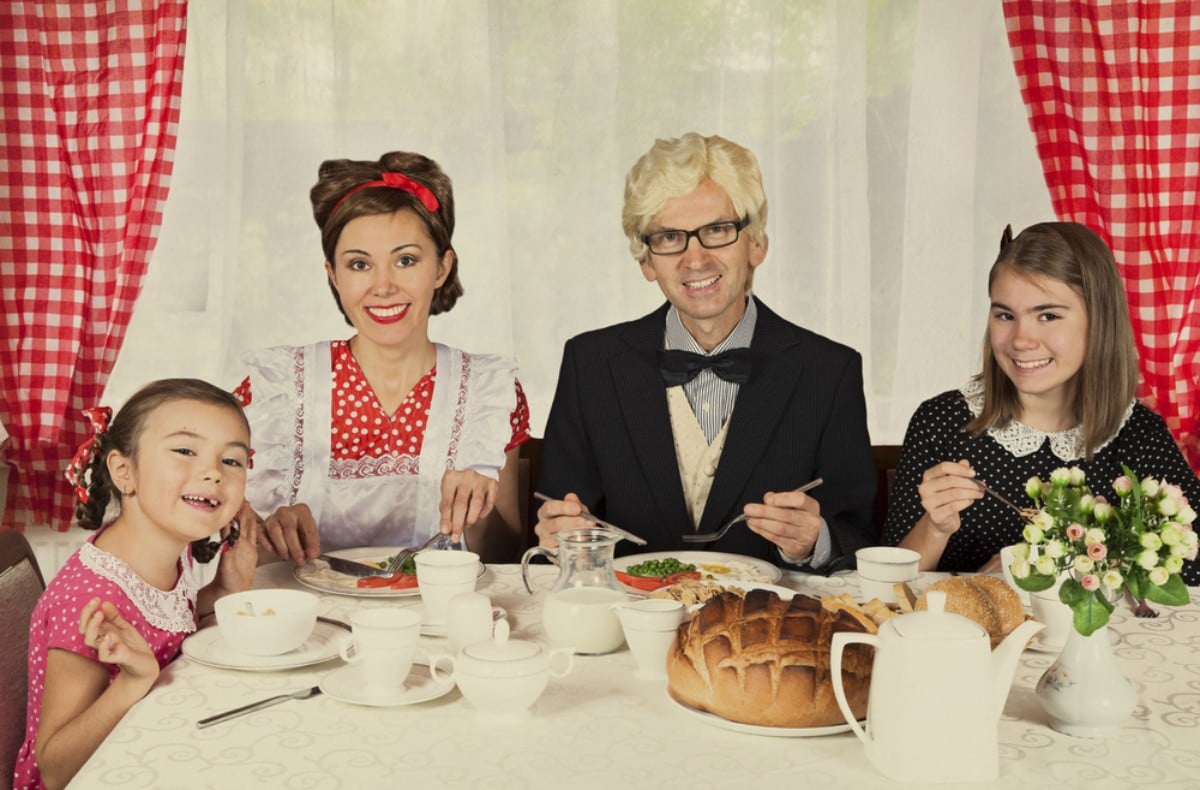
What Family Weekends Looked Like in the 1950s
Think about a weekend without endless notifications or packed schedules. For families in the 1950s, weekends were a chance to slow down and really enjoy each other’s company.
Back then, simple activities brought everyone together. Outdoor adventures, shared meals, and time spent talking were at the heart of family life.
Family picnics at local parks
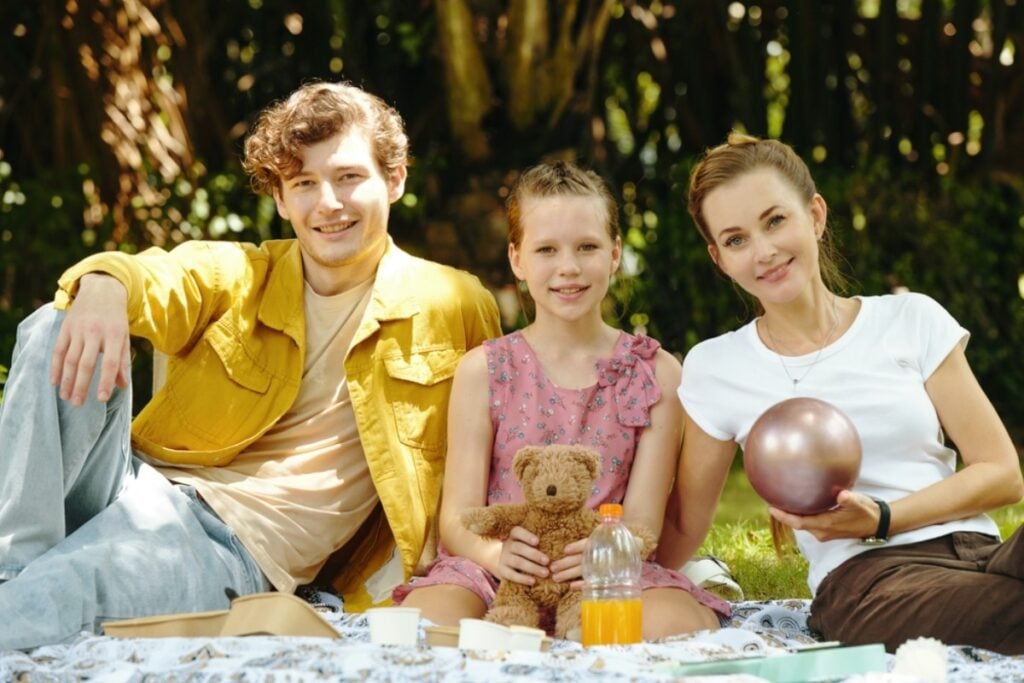
Weekends often meant packing up a picnic and heading to a nearby park. Families gathered food in baskets or cooler boxes, bringing sandwiches, fried chicken, and fresh fruit.
The parks had wide lawns, shady trees, and playgrounds. Kids played while parents set out blankets or found a picnic table.
Sometimes, parents brought small stoves to warm up food or make coffee. The fresh air and simple meals made everything feel special.
Parks were more than just a place to eat. There was space for walking, games, and even swimming if a lake was nearby.
Dressing neatly for a picnic was common. Women wore skirts or dresses and men wore slacks and button-up shirts.
Evening porch chats with neighbors
Evenings often ended on the front porch. Families relaxed there after a long day.
You might sit with a glass of iced tea while kids played nearby. Neighbors would stroll by, and sometimes they’d join for a friendly chat.
These porch talks were a way to catch up on daily life. Laughter and the sounds of kids playing filled the air.
The porch was a front-row seat to neighborhood life. Hours could pass just sharing stories or enjoying the calm.
Porch chats made neighbors feel like family. This sense of community was a natural part of the routine.
Listening to vinyl records together
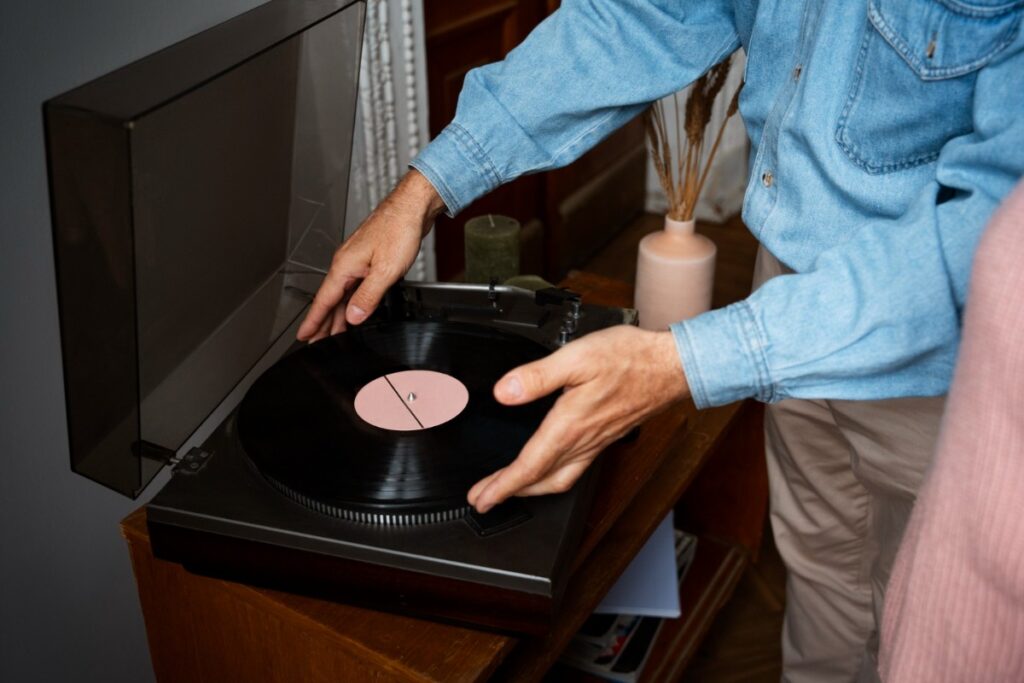
On weekends, families often gathered around the record player. Listening to music was an event, not just background noise.
Someone would carefully place the needle on the vinyl, and the sound would fill the room. Songs sparked conversations about favorite artists or memories.
Flipping records and choosing new ones took teamwork. It was a cozy way to spend time together and unwind.
Saturday night TV parties
Saturday night was TV night for many families. After a busy week, everyone gathered in the living room to watch favorite shows.
Laughter and chatter filled the room. Sometimes, neighbors or friends joined and it turned into a cozy TV party.
The shows brought everyone together, whether it was a comedy or a drama. Saturday nights felt special and relaxing.
Sunday dinners with extended family
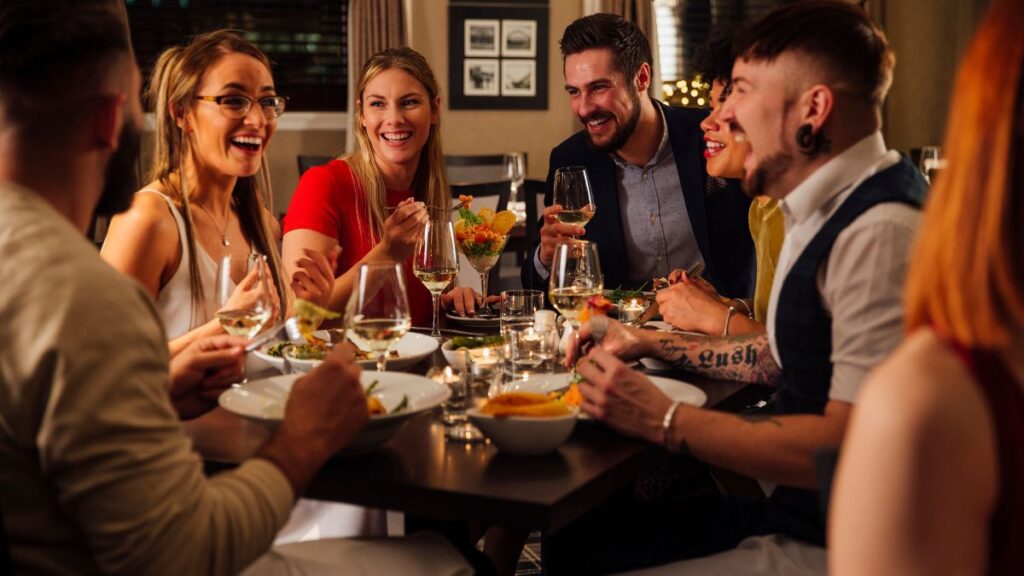
Sunday dinners brought the whole family together, often after church. The smell of roast or home-cooked meals filled the house.
Cousins played outside while adults caught up. Everyone dressed up, making the day feel important.
Sitting around the table, stories and laughter were shared. Meals were simple but made with care, like casseroles or pasta.
These dinners made everyone feel connected. The memories from these gatherings lasted long after the plates were cleared.
Outdoor games like hopscotch and jump rope
Drawing hopscotch squares with chalk was a favorite way to play. All you needed was chalk and some open space.
Jump rope brought kids together for friendly competition. You could play alone or with friends, trying games like Double Dutch.
These games kept kids active and laughing. Weekends meant hours spent outside, running and playing simple games.
Screens and video games weren’t around yet. Outdoor play was how friendships grew and memories were made.
Cross-country road trips in station wagons
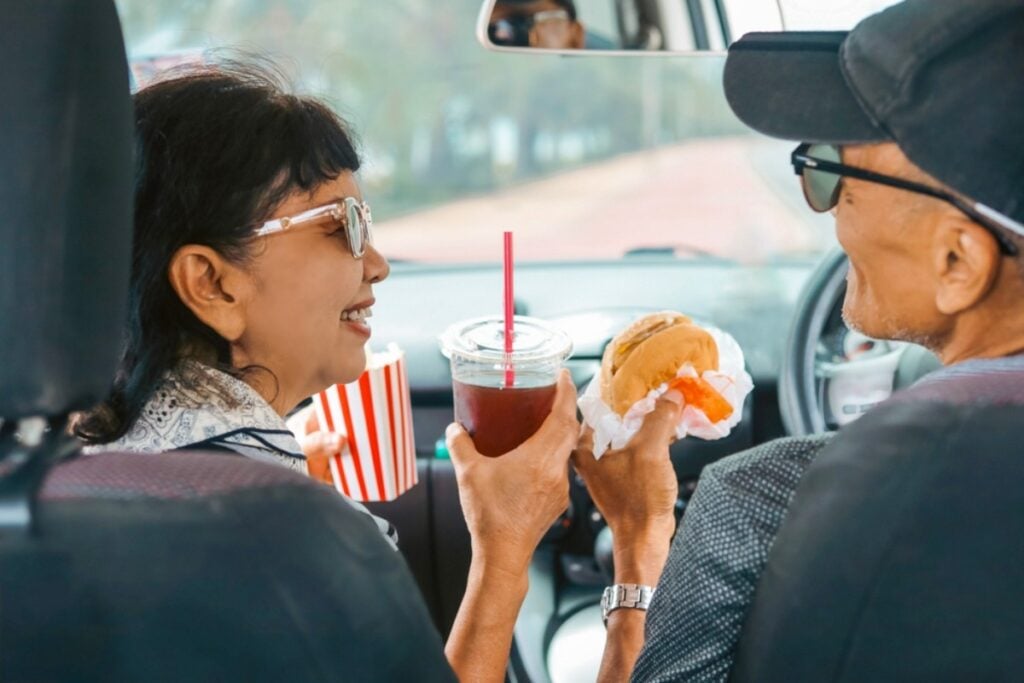
Families often piled into big station wagons for weekend adventures or long trips. These cars had room for everyone and everything.
The station wagon felt like part of the family. Toys, picnic baskets, and games filled the back seat.
Traveling the highways, you stopped at roadside diners and took in mountain views. Road trips became a way to bond and explore together.
Visiting relatives for weekend stayovers
Visiting relatives for weekend stayovers was common. You’d travel to a family member’s house and spend the night.
Meals were shared, and there was time for card games or listening to the radio. These visits helped everyone stay close.
Kids learned to be polite guests by helping with chores or setting the table. The weekends were relaxed and full of warmth.
Canning fruits and vegetables together
Canning was a common weekend activity in many homes. Families worked side by side in the kitchen, preserving fruits and vegetables.
Washing, preparing, and packing jars was a team effort. Water-bath canners and pressure canners kept the food safe for months.
Canning was about more than food. It was a chance to talk, share stories, and learn from each other.
Having shelves full of homemade jams and pickles was a point of pride. It also helped save money and made healthy eating easier all year.
Watching live baseball games or community events
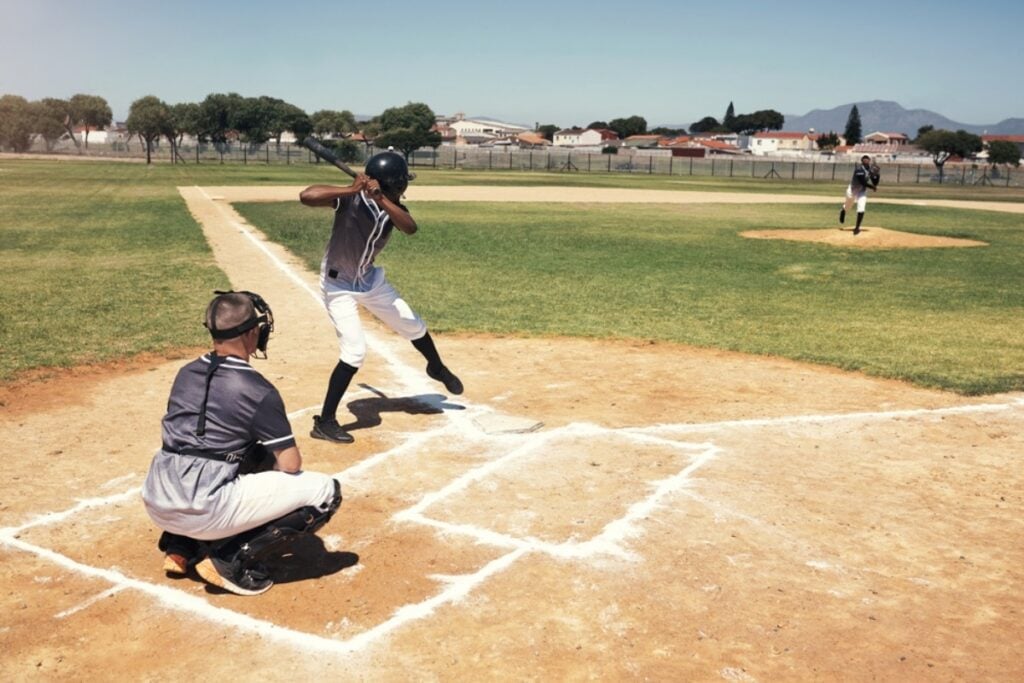
A trip to the ballpark was a real treat. Families cheered for their favorite players and enjoyed hot dogs and soda.
If baseball wasn’t on, there were fairs, parades, or outdoor movies. These events brought neighbors together for fun.
Sometimes you’d watch a game at home on the new TV. Gathering around the small screen made it feel like an event.
These weekends were full of community spirit and shared excitement. Simple outings created memories that stuck around.
How the 1950s Shaped Modern Family Weekends
The way families spent weekends in the 1950s still shapes how we connect today. Hope and growth after the war encouraged people to make the most of their time together.
Close neighborhoods helped build strong communities. The simple joys of gathering, sharing meals, and spending time together continue to inspire family weekends now.
Influence of Postwar Optimism
After World War II, families across the country started to look ahead with hope. The nation was expanding, and suburbs seemed to pop up everywhere.
New homes with yards gave families more space to relax. This shift made it easier for people to spend time outside or enjoy their own backyards.
If you think about how weekends look now, spending time outdoors or gathering at home still feels familiar. In the 1950s, families often enjoyed routines like Sunday dinners or watching TV together.
The sense of prosperity during that era meant more families could afford radios and TV sets. Families began to gather around screens for shows or music, adding something new to their weekends.
Community and Neighborhood Bonds
Think about how your own neighborhood shapes your weekends. Back in the 1950s, that sense of community played an even bigger role.
Neighborhoods felt close. Kids gathered outside, making up games, while adults caught up over fences or bumped into each other during weekend errands.
Weekend barbecues and block parties brought everyone together. Families often took trips to local parks, sharing those moments with neighbors.
These gatherings made it easy for families to support each other. Kids had a safe place to play and grow up surrounded by friends.
Even today, you might notice this sense of connection during community events or neighborhood get-togethers. That feeling of belonging can turn an ordinary weekend into something special.