

9 Frugal Habits Learned From Growing Up Poor That Can Save You Money Every Day
If you ever felt like you had to stretch every dollar as a kid, you probably picked up some money-saving habits without even realizing it. Those early experiences often turn into lifelong skills that help you make the most out of what you have.
Life has a way of teaching you to avoid waste and focus on what really matters. These habits can make a big difference in your finances, no matter where you start.
Buying used cars with cash only

Growing up with a tight budget teaches you to steer clear of debt. Buying used cars with cash becomes a practical choice instead of taking out loans.
Used cars cost less than new ones, and paying cash means no monthly payments hanging over your head. You avoid interest and have more control over your budget.
It takes patience to save up, but it’s worth it. You get a car that fits your needs without the stress of debt.
Mastering the art of making do with what you have

When money is tight, you get creative with what’s already in your home. Fixing or reusing things instead of buying new becomes second nature.
Maybe you repair clothes or find a new use for old jars. Stretching resources like this helps you save and reduce waste.
Making do can mean turning leftovers into tomorrow’s lunch or repurposing containers for storage. These habits might start out of necessity but end up saving anyone money.
Sometimes, just pausing before you buy something new is all it takes to keep more cash in your pocket. Creativity goes a long way when you’re trying to save.
Carefully tracking every expense

Watching every penny is a skill that sticks with you. Writing down costs or using an app helps you see where your money is really going.
This habit keeps you from being surprised by bills or running out of cash. It also helps you plan for bigger expenses.
When you track your spending, you start to notice patterns. That makes it easier to spot places where you can cut back.
It’s a small effort that leads to better money management and less stress about finances.
Prioritizing needs over wants

Learning to separate needs from wants is a lesson that comes quickly when funds are low. Needs are essentials like food and shelter, while wants are extras.
Putting needs first helps you avoid spending on things that aren’t important. This way, your money goes further when it matters most.
Before making a purchase, it helps to ask if it’s truly necessary. If not, saving that money can be a smarter move.
This mindset keeps you on budget and helps you avoid unnecessary debt.
DIY repairs and home maintenance

Figuring out how to fix things yourself can save a surprising amount of money. Simple repairs like tightening a screw or patching a wall don’t always need a professional.
With some basic tools and online tutorials, you can handle many tasks around the house. Even learning to sew a button or mend a tear in your clothes adds up over time.
Taking care of small repairs on your own builds confidence. You keep your home in good shape and your wallet a little fuller.
If something feels too complicated, it’s okay to ask for help. Starting small makes it easier to learn as you go.
Coupon clipping and hunting sales
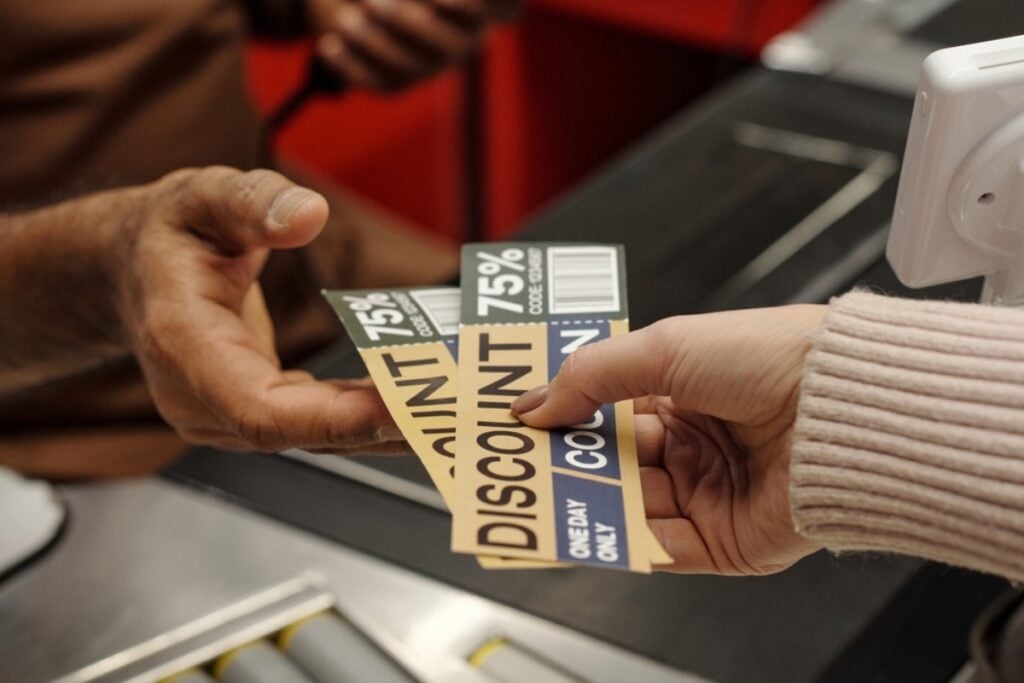
Knowing how to find a good deal turns shopping into a bit of a game. Clipping coupons and waiting for sales helps you stretch every dollar.
You might stock up on essentials when prices drop, which means fewer trips to the store and more savings in the long run.
These habits are easy to keep up, even if your budget changes. Being mindful about spending makes your money last.
Finding deals isn’t just for tough times—it’s a skill that pays off for life.
Avoiding unnecessary subscriptions

It’s easy for small monthly fees to slip by unnoticed. Keeping an eye on subscriptions helps you avoid losing money on things you don’t use.
Reviewing your bank statements can reveal charges for streaming services or apps you forgot about. Canceling what you don’t need frees up cash for things you actually care about.
Trying free alternatives is another way to save. Staying mindful of recurring costs keeps your budget in check.
These small changes can add up and make a real difference over time.
Cooking meals at home instead of eating out

Making your own meals is one of the simplest ways to save. Cooking at home gives you control over ingredients and portions.
Restaurants and takeout can get expensive fast, even for quick meals. Planning ahead and batch cooking can help you avoid the temptation to order food.
Using leftovers keeps food from going to waste. You end up saving money and eating healthier at the same time.
Home-cooked meals might take a little more effort, but your budget and your body will thank you.
Reusing and repurposing household items
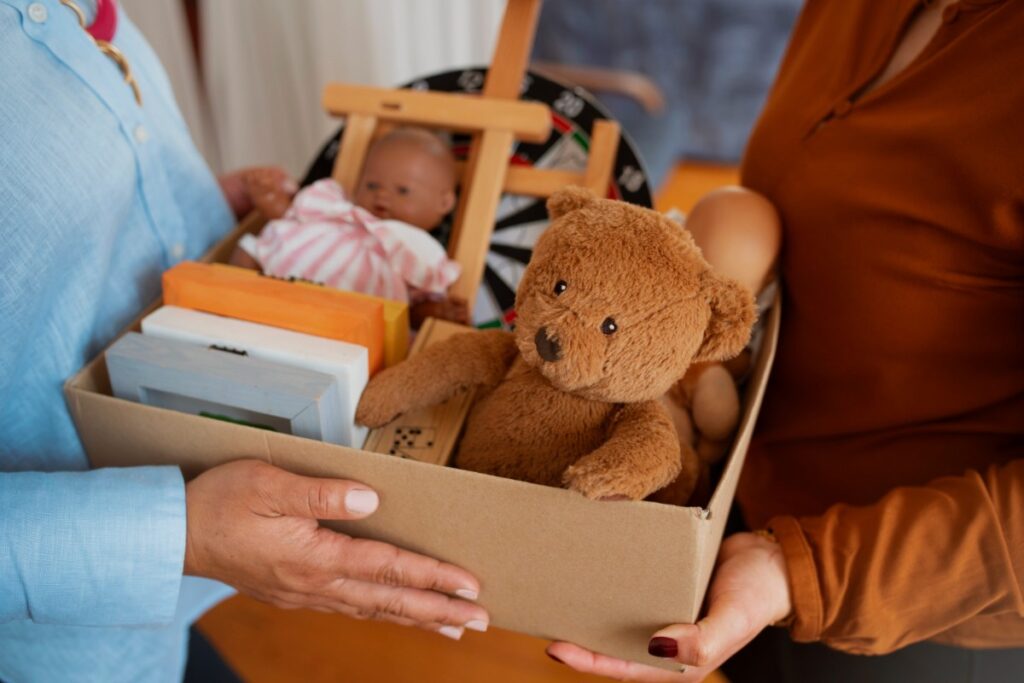
Ever looked at something in your house and thought, “What else could I do with this?” You might be surprised how many everyday things can have a second life.
Old t-shirts can become handy cleaning rags. Glass jars are perfect for storing small items or leftovers.
Paper towel tubes and plastic lids often get tossed, but they can be used for crafts or organizing drawers. Some people even use them for fun gardening projects.
Finding new uses for things around your home not only keeps your space tidy, it also helps reduce waste. Plus, you end up spending less on new stuff.
It feels good to get creative and make the most of what you already have. Little changes like these can really help your budget and keep your home organized.