
8 Social Habits That Make People Seem Rude Without Them Realizing It
We’ve all been there. You’re chatting with a friend or standing in line at the grocery store, and you can’t help but notice someone’s behavior that feels a bit off. Maybe they’re engrossed in their phone while you’re speaking, or perhaps they seem to be rushing through conversations as if they’re on a tight schedule. It can feel rude, but what if they don’t even realize it? In today’s fast-paced world, several social habits can unintentionally come across as inconsiderate. Let’s dive into eight common behaviors that might make people seem rude without them even knowing it.
Being Distracted by Technology
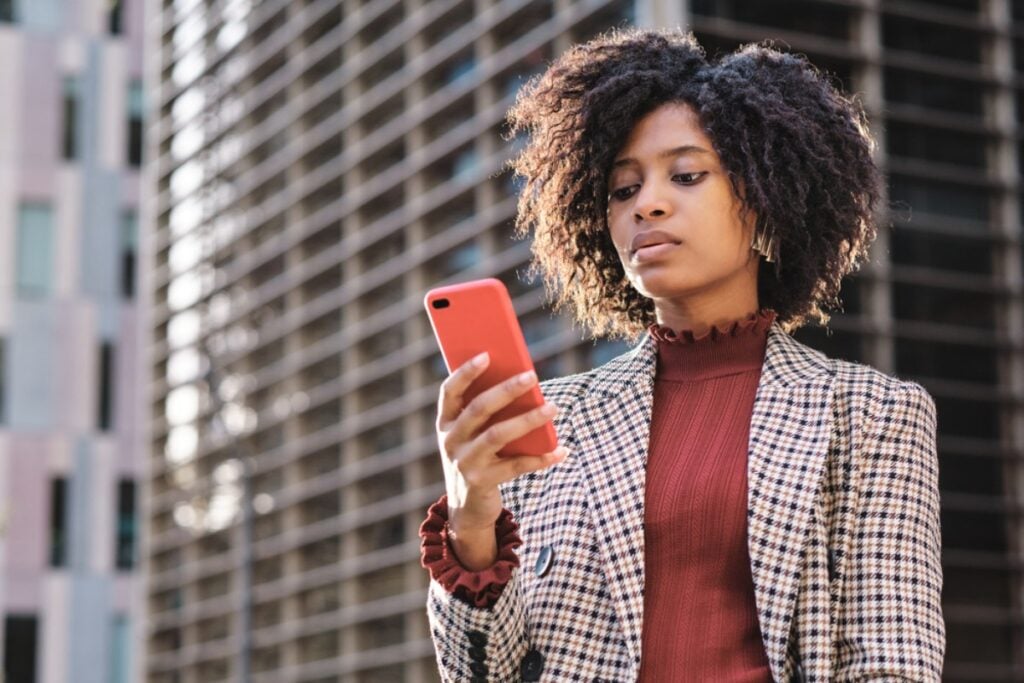
In a world where our smartphones are practically an extension of our bodies, it’s easy to get caught up in notifications and social media. While keeping connected is essential, it can often lead to appearing disengaged in face-to-face conversations. When someone is scrolling through their phone while you’re talking, it feels dismissive, even if they think they’re multitasking effectively.
What to do: The next time you’re in a conversation, make a conscious effort to put your phone away. Giving your full attention speaks volumes about your respect for the other person.
Overly Short Responses
We’ve all encountered the person who responds to questions with curt, one-word answers. While they might be trying to be efficient or perhaps are feeling shy, this habit can come off as disinterested or rude. A simple “Fine” instead of “I’m doing well, thanks! How about you?” can leave the other person feeling unvalued in the conversation.
What to do: If you find yourself giving short responses, try to elaborate just a little more. A few extra words can transform a conversation and make the other person feel more connected to you.
Interrupting Conversations
It’s a common occurrence: you’re sharing a story, and suddenly, someone jumps in, cutting you off mid-sentence. While this habit can stem from excitement or eagerness to contribute, it can also be perceived as disrespectful. Interrupting can make the other person feel unheard and can disrupt the flow of conversation.
What to do: Practice active listening. When someone is speaking, focus on what they are saying and wait for a natural pause before chiming in. This shows you value their input and want to engage meaningfully.
Not Making Eye Contact
Eye contact is a fundamental aspect of communication. It conveys interest, sincerity, and confidence. When someone avoids eye contact, it can feel as if they’re not invested in the conversation, making it seem rude even if that’s not their intention.
What to do: Make a conscious effort to maintain eye contact while speaking with others. If you’re nervous about it, try to focus on the person’s eyebrows or mouth instead of staring directly into their eyes. It’s a subtle shift that can help you feel more at ease.
Being Late Without Apology
Life happens, and we all run late occasionally. However, consistently arriving late without acknowledging it can come off as inconsiderate. It sends a message that your time is more valuable than that of others.
What to do: If you find yourself running late, a simple text letting the other person know can go a long way. Acknowledge the delay when you arrive, and apologize for any inconvenience. This small gesture shows respect for their time.
Talking Over Others
In group settings, it’s common for conversations to ebb and flow. However, talking over someone can make them feel invalidated and frustrated. This habit often stems from excitement or passion for the topic but can easily be perceived as rude.
What to do: Practice patience in conversations, especially in group settings. Allow others to finish their thoughts before interjecting. This promotes a collaborative environment and enhances everyone’s experience.
Failing to Acknowledge Contributions
Whether in a meeting at work or a casual gathering with friends, it’s essential to acknowledge the contributions of others. Not doing so can make people feel invisible and unappreciated. When someone shares an idea or thought, a simple nod or verbal acknowledgment can make all the difference.
What to do: Make it a habit to express gratitude or recognition when someone shares their thoughts. Not only does this foster a positive environment, but it also encourages open communication.
Neglecting to Smile or Use Positive Body Language
First impressions matter, and your body language tells a story before you even say a word. A lack of smiles or positive body language can make you seem unapproachable. This miscommunication can inadvertently lead others to feel that you’re uninterested or closed off.
What to do: Make a conscious effort to smile and use open body language. A welcoming demeanor invites conversation and connection, making interactions more pleasant for everyone involved.
In conclusion, while these social habits may be unintentional, they can significantly impact how we’re perceived by others. By becoming more aware of our behaviors, we can foster better connections and create a more respectful and engaging social environment. Remember, a little mindfulness goes a long way in ensuring that our interactions are warm and inviting. So the next time you catch yourself in one of these situations, take a breath, adjust your approach, and watch how your relationships bloom.