

7 Really Healthy Foods That Most People Refuse To Eat
Ever look at certain foods in the grocery store and wonder who actually eats them? Some of the healthiest options are the ones we skip over just because they seem unfamiliar or maybe a little weird.
You might be missing out on some powerful benefits by passing up these foods. Giving them a shot could boost your energy, help your heart, and add some excitement to your meals.
Amaranth
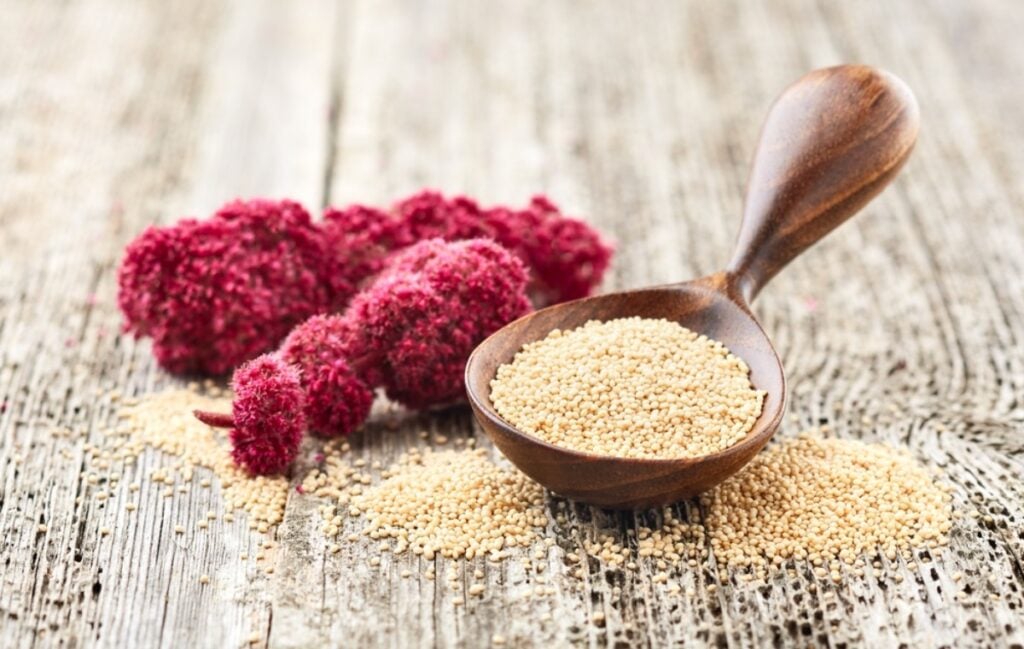
Amaranth is a grain-like seed that probably hasn’t made it into your kitchen yet. The Aztecs and Incas relied on it, but today it usually goes unnoticed.
It’s loaded with protein and fiber, which can help you feel full and support your digestion. Amaranth also contains lysine, an amino acid that’s hard to find in other grains.
You can pick up amaranth at health food stores or in the gluten-free aisle. It cooks up like rice and works well in soups or salads.
Some people find it a bit tough to digest because of natural compounds called saponins. If you’re trying it for the first time, start small and see how you feel.
Taro Root
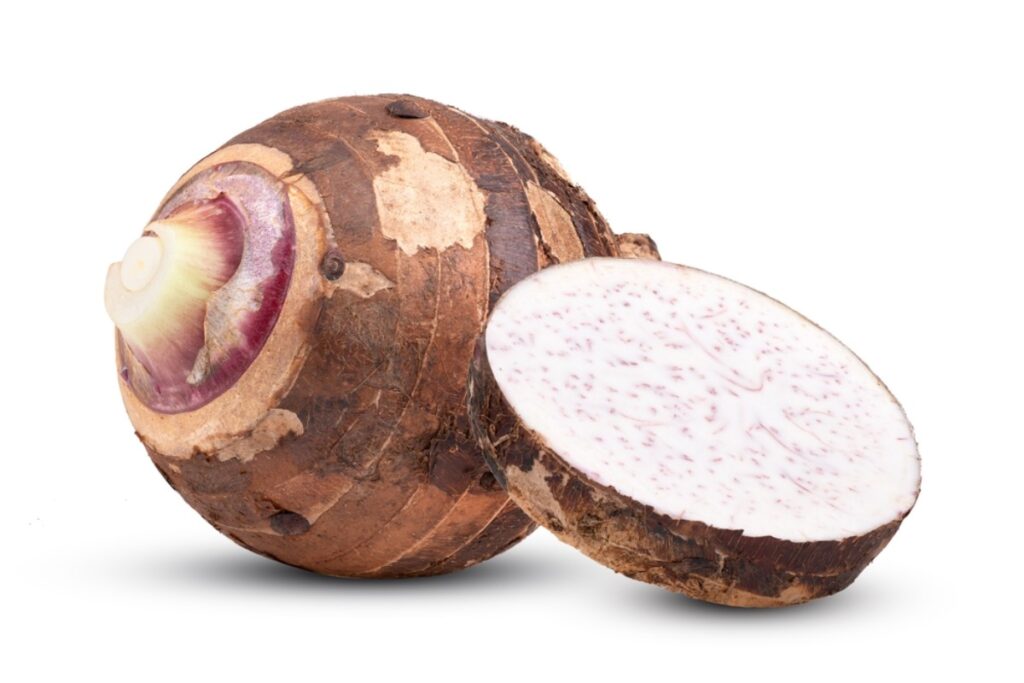
Taro root is one of those vegetables you might walk right past without a second thought. It looks a bit unusual and you might not know what to do with it.
Once cooked, taro is creamy with a hint of sweetness. It’s packed with fiber, vitamins, and minerals that help keep your energy steady.
You can treat taro just like potatoes—boil, roast, or mash it. Always peel and cook it well, since raw taro is tough to eat.
Trying taro could introduce you to new flavors and a healthy boost without much extra work.
Kale
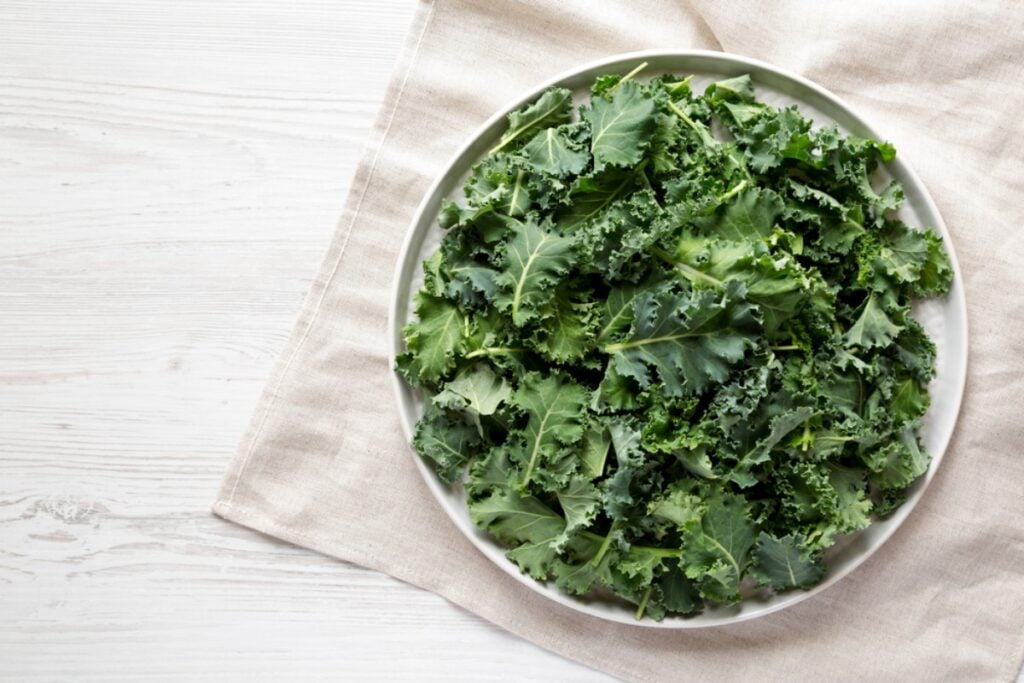
Kale is a leafy green that gets a bad rap for being bitter and tough. It’s not always love at first bite.
This veggie is full of vitamins A, C, and K, all of which support your body in different ways. You can sneak it into smoothies, soups, or salads for an easy nutrition upgrade.
Cooking kale lightly helps soften the leaves and cuts down on the bitterness. Even just a handful in your meals can make a difference.
Experiment with different ways to prepare kale and you might be surprised at how tasty it can be.
Brussels Sprouts
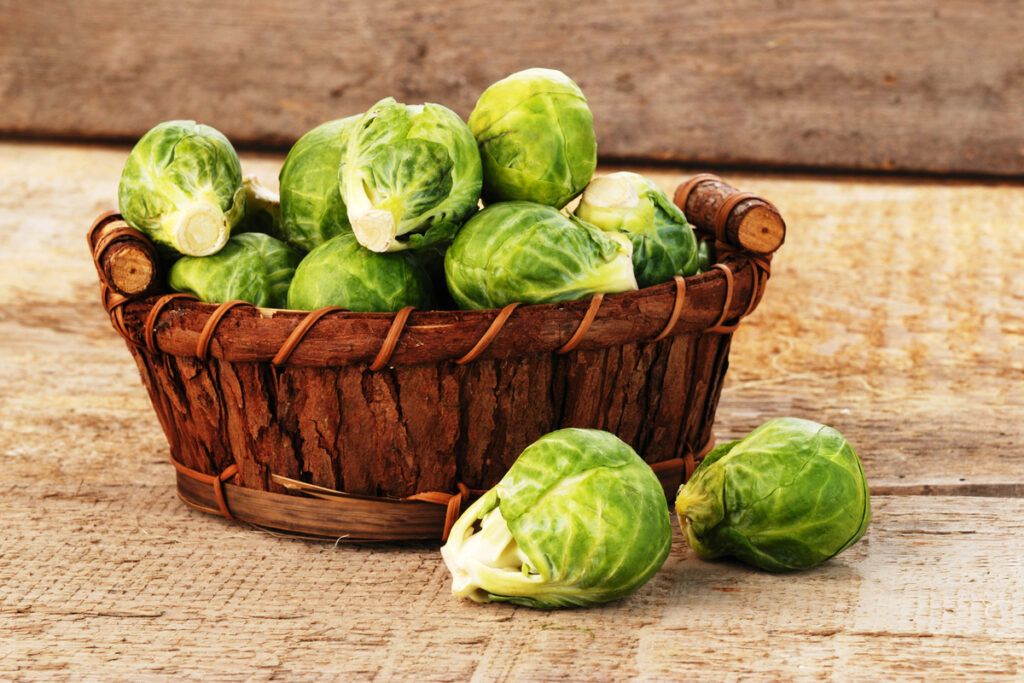
Brussels sprouts tend to show up on lists of least favorite veggies. Their strong taste and smell can be a turn-off at first.
These little greens are packed with vitamins C and K, plus fiber and antioxidants. They can help keep your immune system and digestion in good shape.
If you’re not a fan, try roasting them with olive oil and salt to bring out their sweetness. A little garlic or lemon juice can make them even better.
Finding the right recipe can turn Brussels sprouts from a no-go into a regular side dish.
Seaweed
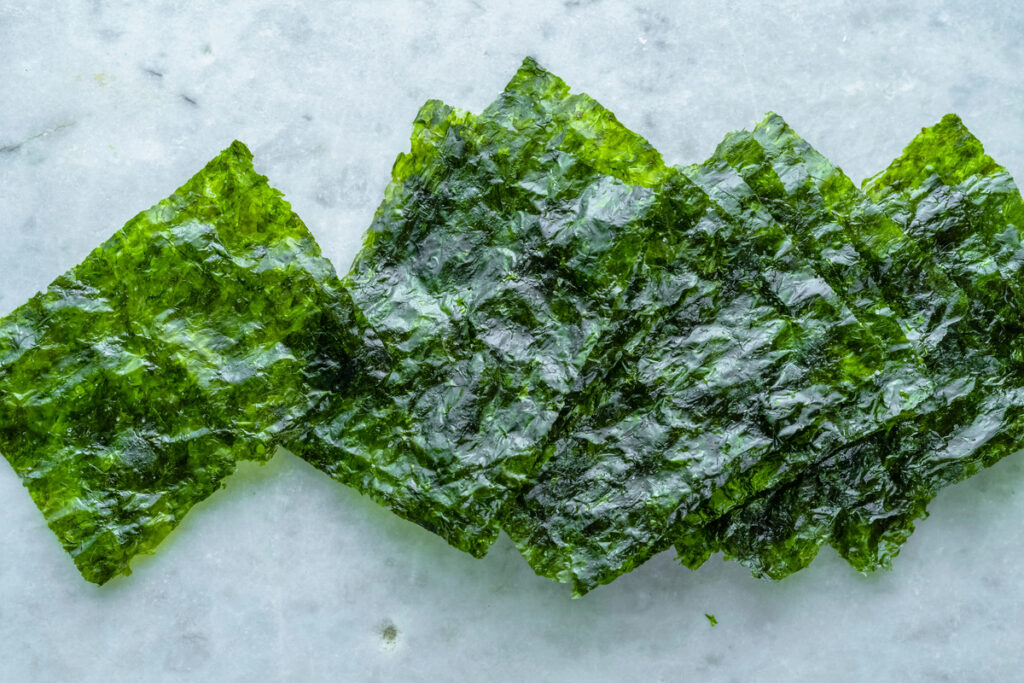
Seaweed is one of those foods that just seems odd if you haven’t grown up eating it. The texture and taste can be a little different from what you’re used to.
It’s full of nutrients like iodine, vitamins, and minerals that help your thyroid and support digestion. Seaweed can be tossed into soups or salads, or even eaten as a crunchy snack.
It has a natural savory flavor that can add some excitement to your meals. Try it dried, fresh, or baked and see which version you like best.
Beets
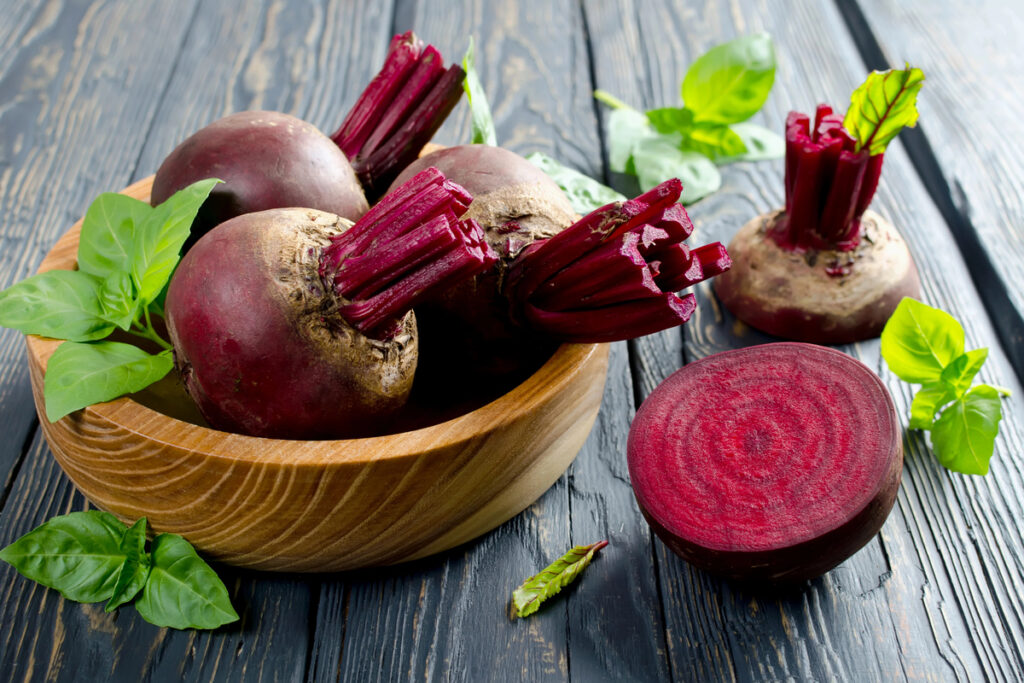
Beets stand out for their bold color, but their earthy flavor can be a hurdle for some. They bring a unique sweetness and depth to dishes.
They’re loaded with fiber and minerals like potassium and iron, plus antioxidants that help your body function at its best. You can eat beets raw, roasted, or steamed.
Adding a splash of lemon juice or vinegar can balance their flavor. Try them sliced thin in salads or blended into smoothies.
With a little creativity, beets might just become a new favorite on your table.
Liver

Many people shy away from liver, but it is actually one of the most nutrient-rich foods out there. Packed with vitamins like A, B12, and iron, liver can help boost your energy and fight off tiredness.
Eating liver supports your overall health and gives your body the nutrients it needs to function well. If you often feel weak or low on energy, you might benefit from adding more nutrient-dense foods like liver to your meals.
The taste of liver can be a challenge for some, but there are ways to make it more appealing. Try cooking it with onions or adding it to a stew for a milder flavor.
You do not have to eat liver every day to see the benefits. Including it once or twice a week is enough to get the nutrients your body needs.