

5 Places You Should Never Use Your Debit Card and Why Cash Is Safer
Ever had your card declined at the worst possible moment, or noticed a weird charge on your bank statement? These situations happen more often than you think, especially when you use your debit card in certain places.
Knowing when to switch to cash can save you stress and keep your money where it belongs. Some spots, like gas stations, restaurants, online marketplaces, hotels, and car rentals, are riskier than they seem.
Gas Stations
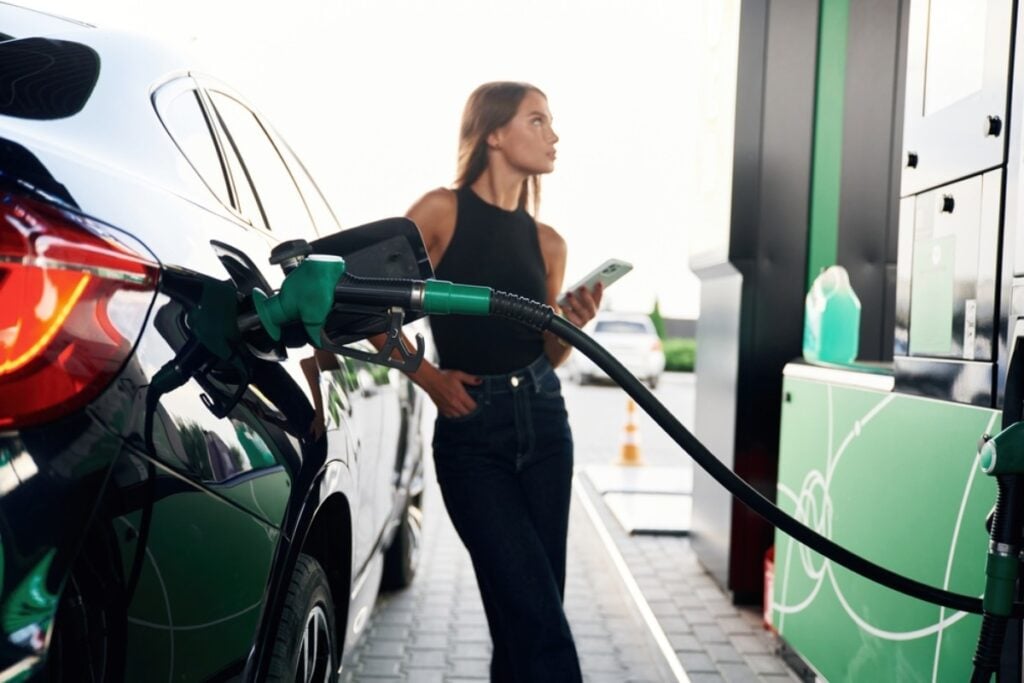
Gas pumps can be a hotspot for card skimming. Thieves install sneaky devices that steal your card data without you noticing.
Check for anything unusual on the pump, such as loose parts or strange stickers. If something feels off, pay inside with cash or use the terminal closest to the attendant.
Tap-to-pay and mobile wallets are a bit safer, but not foolproof. If you have to use a card, stick with credit instead of debit to avoid direct hits to your checking account.
Keeping some cash handy for gas stops can give you peace of mind. Always review your bank statements after fueling up and report anything suspicious.
Restaurants
Handing over your debit card at a restaurant might seem harmless, but it can cause unexpected problems. Temporary holds can tie up your money for days, and mistakes or fraud can empty your account before you know it.
Using cash keeps your balance safe and avoids those annoying holds. It also makes splitting the bill and leaving a tip easier when the card machine is acting up.
If you do use a card, credit is safer than debit. Always check your receipt and monitor your account after eating out.
Hotels
Checking into a hotel with your debit card can freeze your funds without warning. Hotels place pre-authorization holds that tie up real cash in your account.
These holds can be bigger than you expect and last several days after checkout. That means less money for the rest of your trip.
Using a credit card instead keeps your cash free and avoids declined payments or overdrafts while you travel.
Car Rentals
Renting a car with your debit card often means a big deposit gets locked up. You might have hundreds of dollars unavailable for days, even after you return the car.
This can mess with your budget and lead to missed payments on other bills. Ask about deposit sizes and release times before booking.
Credit cards or prepaid rentals can help you steer clear of long holds on your checking account.
Online Marketplaces

Shopping online is convenient, but it comes with risks like hacked accounts and fake sellers. Using a credit card lets you dispute charges quickly if something goes wrong.
Credit cards usually offer better fraud protection than debit cards. Your bank account stays untouched while issues get sorted out.
Stick to secure payment platforms and turn on two-factor authentication for extra safety. If something feels off about a seller, contact the marketplace and your card company right away.
Why Cash Is Often the Safer Choice
Cash keeps your money offline and under your control. It puts distance between your bank account and hackers, skimmers, or technical glitches.
When you pay with cash, there is no card data for thieves to steal. No skimmers at gas pumps, no hacked restaurant terminals, and no cloned cards.
If a store’s system gets breached, your cash payment leaves nothing behind for criminals to grab. For small in-person purchases, cash is often the safest bet.
Cash also helps you avoid scams where someone tries to trick you into giving up card details. With cash, you stay in control.
Credit and debit cards can let fraudsters put holds or make withdrawals that take days or weeks to fix. Cash avoids those headaches at hotels, car rentals, or gas stations.
If your debit card is skimmed, thieves can drain your checking account fast. Getting your money back is rarely quick or easy.
Cash also protects you from merchant mistakes, like double charges or incorrect tips. You know exactly what you spent, with no surprises later.
Using cash helps you stay on budget. You can set aside weekly envelopes for groceries, dining, and other expenses.
Once your cash runs out, you know it’s time to stop spending. This makes it easier to avoid overdrafts and impulse buys.
Understanding Debit Card Risks
Losing access to your cash is easier than you think if your debit card data is stolen. Criminals have clever ways to get your information, and your legal protections are limited compared to credit cards.
Skimming devices attach to ATMs, gas pumps, or payment terminals and steal your card info when you swipe or insert your card. Some skimmers look just like part of the machine, so always check for anything that looks off.
Criminals often use hidden cameras or fake PIN pads to steal your PIN as well. With both your card data and PIN, they can empty your account fast.
Reduce your risk by using chip or contactless payments when possible. Cover the keypad with your hand and avoid machines that look damaged or unbranded.
Liability Concerns with Debit Cards
Ever had that sinking feeling when you spot a weird charge on your bank statement? Debit cards are linked straight to your checking account, so when fraud happens, your real money disappears right away.
Banks will launch an investigation, but you might have to wait days or even weeks before your cash is returned. How much you could lose depends on how fast you report the suspicious activity.
If you alert your bank within two business days of noticing the problem, your loss is capped at $50. If you wait longer, you could be responsible for up to $500.
Not reporting for 60 days after your bank statement is sent could mean unlimited loss. Credit cards typically offer stronger protections and don’t take money out of your account while a dispute is being resolved.