

15 Things Middle‑Class Families Do That the Rich Don’t Even Consider
Everyday decisions and spending habits often differ between middle-class families and the ultra-wealthy. What feels routine for some may be irrelevant to others.
By examining these differences, you can gain insight into how financial habits shape lifestyles.
Clipping coupons for small discounts

You likely clip coupons to save a few cents or get a small percentage off on your groceries. It’s a common habit in middle-class families who want to stretch their budgets.
The rich, however, rarely think about clipping coupons. They spend money differently, focusing on bigger investments or convenience rather than small savings.
Wealthy people tend to prioritize their time over minor discounts. Their wealth lets them avoid these small-scale savings tactics altogether.
While clipping coupons is smart for managing a tight budget, it’s a practice that most wealthy people don’t consider necessary or worth their time. This difference highlights how day-to-day money matters vary between middle-class families and the ultra-rich.
Obsessing over credit card interest rates
You probably check your credit card interest rates often, worrying about how high they are. For many middle-class families, this can feel like a constant stress.
The rich tend to avoid this headache because they use credit differently or often don’t carry high-interest debt at all. They might leverage other financial tools that don’t trap them with expensive interest payments.
If you’re dealing with high rates, it’s important to have a repayment plan. Sticking to it can help reduce the amount you pay in interest over time and free up your budget for other things.
Rather than sweating over fluctuating interest rates, try focusing on reducing debt or finding alternatives. Managing your balance and avoiding unnecessary borrowing can make a big difference.
Treating house ownership as the ultimate status symbol
You might see owning a home as the key milestone that marks success. It’s often treated as the ultimate symbol of financial stability and accomplishment in middle-class life.
Having a house with a yard or in a particular neighborhood feels like a big win. But for the wealthy, homeownership isn’t a flashy status symbol.
Many of them own multiple properties or invest in real estate without making a big deal out of it. Their focus tends to be on the long-term value and diversification, not just the idea of owning a home.
You may view paying off a mortgage as the ultimate goal, while the richest often use their property as part of broader investment strategies. For them, homeownership is less about pride and more about smart money moves.
Home can be both a place to live and a tool for building wealth over time.
Spending on frequent dining out at chain restaurants
Dining out regularly at chain restaurants can feel convenient and familiar. For many middle-class families, restaurant visits are a way to relax and treat the family without much preparation.
However, this habit can add up quickly in your monthly budget. Unlike wealthier households, who often cook at home or choose higher-quality dining experiences less frequently, you might be spending a significant portion of your income on these meals.
Cutting back on frequent visits to chain restaurants can free up money that could be saved or invested. It doesn’t mean giving up all dining out but making more intentional choices to balance convenience and costs.
If you’re interested, you can explore ways to enjoy meals at home while still saving time, which reduces reliance on restaurant meals. This change can make a difference in how your budget stretches each month.
Buying extended warranties on electronics
You might find yourself tempted to buy extended warranties when purchasing electronics. Many middle-class families see these warranties as a safety net to avoid unexpected repair costs.
Rich families, however, often skip them because they can afford to replace or fix devices without worrying about the extra cost. Extended warranties can sometimes end up costing more than the repairs themselves.
Many extended warranties cover only specific issues, like defective parts, and don’t protect against loss, theft, or accidental damage. This means you might not get the full value you expect.
Before buying, consider how long the manufacturer’s warranty lasts and your own experience with the product’s reliability. Often, it’s smarter to save the money you’d spend on warranties for potential repairs or replacements.
Investing in numerous luxury cars as status symbols
If you’re part of the middle class, you might think owning several luxury cars shows success. It’s common to see shiny BMWs or Mercedes in driveways as a way to impress others.
These cars feel like a clear sign that you’ve “made it.” But the wealthy often don’t see it that way.
They typically avoid buying many expensive cars just to display status. For them, a luxury vehicle is more about personal use or investment, not a status symbol.
Owning several luxury cars can come with high maintenance and rapid depreciation. This can drain your finances more than helping you build real wealth.
That doesn’t mean you can’t enjoy nice cars. Just remember, having multiple luxury vehicles is not a smart wealth-building strategy.
Buying brand-name clothes to display status

You might find yourself drawn to brand-name clothes because they seem like an easy way to show success. Wearing recognizable labels can feel like a quick status boost.
Middle-class families often prioritize these visible symbols, thinking it signals their achievements. But the truth is, wealthy people usually don’t focus much on flashy brands.
For rich individuals, clothing is more about comfort and quality than logos. They tend to invest in pieces that last and feel good rather than what others will notice.
If you’re buying designer labels mostly to impress others, it could be worth considering why you do it. Sometimes, less obvious choices bring more genuine satisfaction.
Brand names can be fun, but they don’t define your worth. Middle-class families might wait months to buy these clothes or compare prices obsessively, while the wealthy often skip all that hassle.
This contrast reveals a distinct view on money and value.
You might still be holding onto a premium cable package because it feels like the standard choice. Many middle-class families pay for dozens of channels they rarely watch.
This can quickly add up to hundreds of dollars every year. Cutting the cord to cable can save you a significant amount of money.
Streaming services like Netflix or Disney+ let you pick exactly what you want to watch. They offer more flexibility without the hefty monthly bill.
The rich often skip expensive cable packages altogether. They prefer customized entertainment options or invest in personal media collections.
You can find free or low-cost streaming platforms that cover most interests, which frees up money for other priorities. Switching from cable to streaming is a smart move you might want to consider.
Choosing suburban homes for community prestige
When you choose a suburban home, you’re often looking for more than just a place to live. Many middle-class families value the sense of community that suburbs offer.
It’s about being part of a neighborhood where people know each other and share common values. Suburbs tend to have family-friendly features, like good schools, parks, and low crime rates.
These aspects can boost the community’s reputation and make you feel proud of where you live. The prestige comes from belonging to a stable, well-regarded area.
You may also notice that suburban neighborhoods often resist developments that could change the character of the community. This protects property values and keeps the area aligned with middle-class lifestyles.
Choosing a home in such a neighborhood helps you maintain your family’s sense of status and security.
Constantly upgrading smartphones and gadgets

You might feel the urge to get the newest smartphone or gadget as soon as it hits the market. Many middle-class families regularly upgrade their devices to keep up with the latest features.
This habit feels normal but is something the wealthy often avoid. Rich people tend to keep their phones and gadgets longer.
They focus more on using each device to its full potential instead of chasing constant upgrades. This helps reduce unnecessary spending and electronic waste.
When you upgrade every year or two, the small costs add up. The rich often prioritize other investments over frequent tech updates.
Sticking with your current smartphone a little longer can save money and reduce environmental impact. It’s a simple change that many middle-class families don’t typically consider but could benefit from.
Relying heavily on sales and clearance racks
You probably spend a lot of time hunting for the best deals, checking sales flyers, and scanning clearance racks. It feels like a smart way to save money and get more for less.
For many middle-class families, shopping this way is part of the routine. You might clip coupons or wait patiently for discounts on everyday items.
The ultra-rich usually don’t worry about sales. They tend to focus on value and convenience rather than discounts.
Clearance sales often mean slower-moving stock, something that rarely affects their shopping choices. While grabbing bargains can be practical, you might miss out on time or energy to focus on bigger financial moves.
Instead of constantly chasing sales, think about how else you might grow your wealth beyond just saving pennies here and there.
Filling pantries with bulk snack items and deals
You might find yourself stocking up on snacks in bulk, thinking it saves money and keeps your pantry full. Buying large quantities of chips, cookies, or sweet treats often feels like a smart move for quick access.
However, the rich tend to avoid overfilling with bulk snack items because many packaged snacks have shorter shelf lives and contribute to unhealthy eating habits. Instead, they focus on quality over quantity and maintain a leaner pantry.
If you want to make bulk buying work, consider healthier pantry snacks like nuts, dried fruits, or whole grains. These items store well for longer and provide more nutrition, making them smarter choices to keep on hand.
You can find lists of healthy pantry snacks that often come in bulk and don’t compromise freshness or health. This can help you save money without sacrificing quality or variety.
Instead of grabbing every deal on chips or candy, look for staples that fit your lifestyle and meal plans. This way, your bulk purchases support your goals rather than clutter your pantry or diet.
Hiring part-time cleaning help occasionally
Hiring a part-time cleaner can help you keep your home tidy without committing to a full-time service. This makes it easier to balance a busy schedule with managing household chores.
For many middle-class families, part-time cleaning is affordable. It allows you to enjoy a cleaner home at a lower cost compared to full-time help.
Having occasional cleaning assistance frees up time for activities you enjoy or need to focus on, such as spending time with family or pursuing hobbies.
Part-time services fit your budget and lifestyle. They offer a practical way to reduce stress and keep your home in order.
Part-time maids are professionals who make cleaning accessible and convenient for your needs. This flexibility helps you maintain a clean space without disrupting your routine.
Buying new furniture regularly for aesthetic reasons
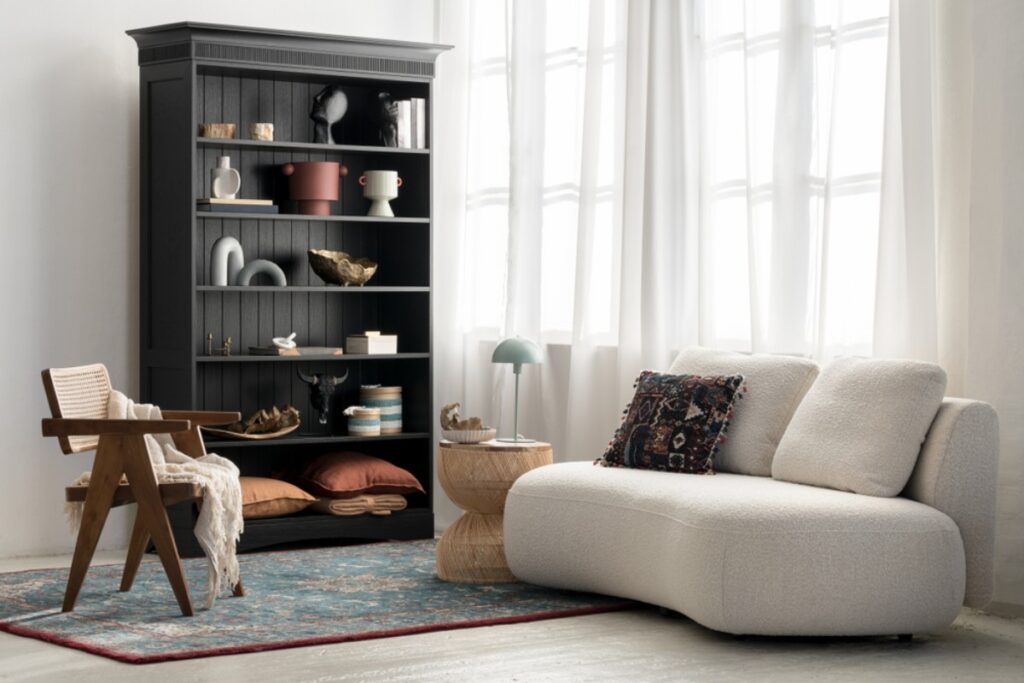
Sometimes, you want new furniture simply to refresh the look of your home. Middle-class families often replace pieces to keep their space feeling updated and stylish.
This habit is partly about aesthetics. New furniture can brighten rooms and match current trends.
However, it also means spending more money on items that aren’t always necessary. Wealthier families usually approach this differently.
Instead of frequently buying new furniture, they often invest in classic, high-quality pieces that last for years. They focus more on durability and timeless design.
It’s good to consider whether buying new furniture regularly is the best use of your budget. There are smart ways to refresh your space without always purchasing new items.
Using multiple loyalty reward programs
Many people join several loyalty reward programs to maximize savings on everyday purchases.
Collecting points or discounts from different stores or brands can feel rewarding.
Managing multiple programs takes time. You need to keep track of points, expiration dates, and the rules for each program.
Some people focus on fewer, high-value programs that offer exclusive rewards or experiences.
If you want to level up your strategy, focus on programs that provide varied rewards like discounts, free products, or special access.
This approach can make your efforts more rewarding and less time-consuming.