

12 Everyday Noises That Instantly Drive People Crazy
Certain everyday sounds have a way of getting under your skin. Even if you’re not usually sensitive to noise, some of these can test anyone’s patience.
Understanding which noises tend to drive people crazy can help you better handle those moments when your nerves are tested by sound. Recognizing these triggers can also improve your environment, making it easier to focus and stay calm.
Loud chewing sounds

You’ve probably noticed how loud chewing can grab your attention in a way nothing else does. That smacking or crunching might feel more irritating than just a normal noise.
For some, these loud chewing sounds might even trigger strong reactions like annoyance or discomfort. It’s not just about being picky; your brain could be wired to react more intensely to these noises.
This sensitivity is often linked to a condition called misophonia, where everyday sounds, like chewing, cause emotional discomfort. Many people avoid situations like restaurants or family meals because of this.
Pen clicking repeatedly

You might not even notice when someone keeps clicking their pen over and over. But if you’re nearby, it can quickly get under your skin.
That sharp, repetitive sound tends to grab your attention, making it hard to focus on anything else. For many people, pen clicking triggers a strong annoyance.
This is linked to a condition called misophonia, where certain sounds cause discomfort or even anxiety. Your brain may interpret the noise as irritating or disruptive, causing a physical reaction.
If you have ADHD, you might be especially sensitive to these repetitive sounds. They can add to your feeling of overwhelm and make it even harder to concentrate on tasks.
The habit itself often starts unconsciously. Sometimes people click their pen to release nervous energy or boredom, unaware of the effect it has on those around them.
Being mindful of this can make shared spaces more comfortable for everyone.
Slurping hot drinks

You might find slurping hot drinks uncomfortable or even annoying to hear. This sound often happens when someone tries to cool their drink by drawing in air while sipping.
It can be more noticeable because it combines liquid noise with breathable air. When you hear slurping, it can feel intrusive, especially if you’re sensitive to sounds.
Some people link this behavior to manners or hygiene and prefer quieter sipping. If you react strongly, you could be experiencing a mild form of misophonia, where certain everyday noises trigger discomfort or irritation.
Slurping is common in some cultures where it’s seen as a sign of enjoying or appreciating the drink. But if you’re in a quiet setting, it might stand out more and disrupt your focus or relaxation.
Learning why slurping happens can help you manage your reactions. For example, understanding that it might be unconscious or a way to cool the drink may make it less frustrating.
Nail tapping on hard surfaces

You’ve probably noticed how the sharp, repetitive sound of nails tapping on a table can quickly get under your skin. It’s that steady, clicking noise that grabs your attention, often when you least want it.
The sound changes depending on how fast or slow the tapping is. Sometimes it’s slow and deliberate, other times it’s fast and impatient, making it even more distracting.
Many find this noise hard to ignore because it creates a high-pitched rhythm that stands out in quiet spaces. It can make focusing difficult, especially if the tapping goes on for a while.
If you’re someone sensitive to these sounds, the tapping can feel irritating or even stressful. On the other hand, some people enjoy these sounds as part of calming ASMR experiences, where nail tapping provides a soothing effect.
For a similar experience or to test your reaction, you can listen to various examples of nail tapping on hard surfaces online, such as videos or sound clips designed for relaxation or focus. You might find nail tapping less bothersome in these controlled settings, or realize it’s exactly the kind of sound that makes you want to cover your ears.
Knuckle cracking noises

If you find knuckle cracking noises hard to ignore, you’re not alone. That popping sound can be surprisingly distracting, especially when it happens repeatedly around you.
Some people have a condition called misophonia, where sounds like knuckle cracking trigger strong feelings of irritation or discomfort. It can be tough to stay focused when someone nearby keeps cracking their knuckles.
You might notice it even more in quiet settings, like meetings or study sessions. The sound breaks the silence and can make you want to cover your ears.
Interestingly, many people enjoy the feeling of cracking their own knuckles, and some find the sound oddly satisfying. But if someone else’s knuckle cracking drives you crazy, it’s likely because the noise is sharp and repetitive.
Sniffling or constant nose blowing

When someone around you keeps sniffling or blowing their nose, it can quickly become distracting. The repetitive wet sounds and pauses can interrupt your focus or conversation.
You might feel extra annoyed if the person’s nose blowing is loud or frequent. It often happens during cold or allergy season, making it hard to escape in public spaces.
Sometimes, constant nose blowing comes from allergies, colds, or sinus problems. Overusing nasal sprays can actually worsen congestion over time, leading to more sniffles.
If you’re trying to stay patient, remember that sniffles often signal discomfort. Taking breaks or moving away can help if the sound is too much.
Background TV chatter competing

You might not notice it at first, but background TV chatter can quickly become distracting. When the TV is on low volume, its constant noise competes with conversations or focused tasks.
This overlapping chatter creates an uneasy mix of sounds that your brain struggles to filter out. If you’re trying to work or relax, the background TV talk can make it hard to concentrate.
The voices blend with other noises, causing a low-level buzz that feels irritating without being loud. It’s like there’s always something pulling your attention away.
You might feel the need to turn the TV off or move to a quieter room just to regain peace. Background TV noise is a common issue in many homes and shared spaces.
If you want to experiment, try using sound effects that mimic gentle crowd noise or background chatter instead. These sounds are more soothing and less intrusive than TV voices constantly trying to grab your attention.
Whistling near quiet spaces

If you’re whistling near quiet spaces, it can quickly grab everyone’s attention. The sharp, high-pitched sound stands out, especially where silence usually prevails.
This sudden noise can feel intrusive and distracting to those around you. You might enjoy whistling without realizing it breaks the calm.
People often whistle when deep in thought or feeling cheerful. But in places like libraries or waiting rooms, your whistling can become a source of mild annoyance.
Some coworkers or neighbors may find constant whistling irritating. It might even be compared to noise pollution in shared spaces.
Buzz of fluorescent lights

You’ve probably noticed that low humming or buzzing sound coming from fluorescent lights. It’s a steady noise that can become really annoying, especially if you’re trying to concentrate or relax.
That constant buzz might seem small, but over time it can wear on your patience. This sound comes from the electrical current powering the lights and small vibrations in the bulb.
It’s often compared to a soft, high-pitched hum or a faint rattling. If you listen closely, you might even find recordings of this sound online, like a fluorescent light buzz 10 hours video.
When you’re exposed to this noise for long periods, it can affect your mood or focus without you realizing it. Some people find it distracting, while others feel it contributes to mild irritation.
High-pitched humming from electronics
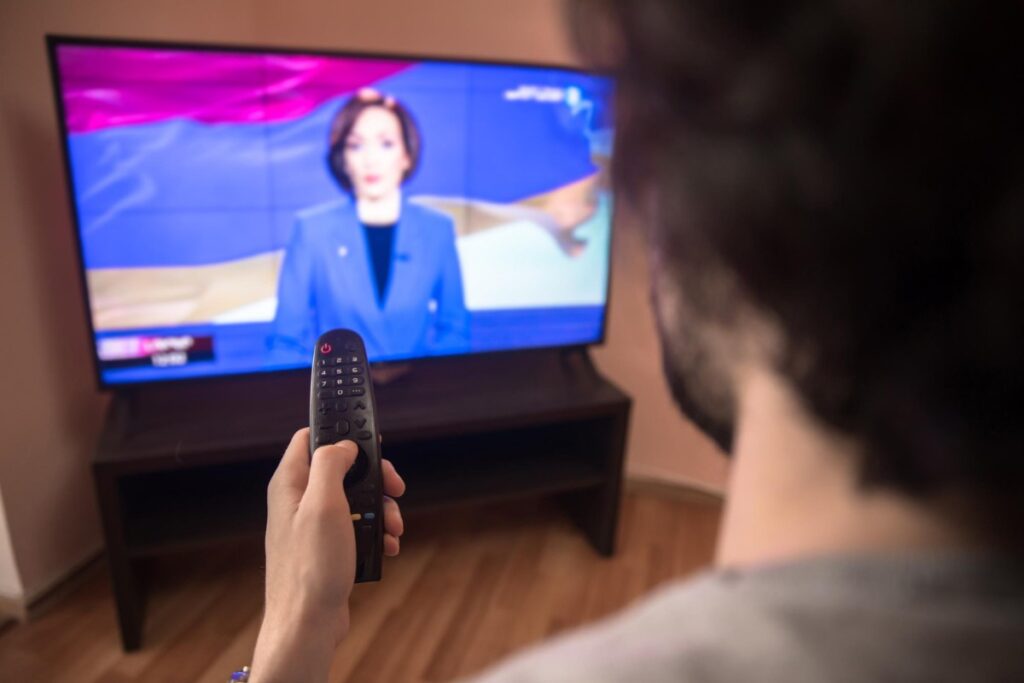
You might notice a high-pitched humming sound coming from your TV, computer, or even your dimmer switches. This noise often comes from vibrations within the circuits or components inside these devices.
Sometimes, this sound is subtle, but it can become more noticeable if the electronics are older or starting to malfunction. It may feel like the hum is always there, especially in quiet rooms.
If you hear buzzing inside your walls, it could be due to overloaded circuits or loose wiring. This kind of electrical noise isn’t just annoying—it can sometimes signal a problem that needs attention.
Understanding where the noise comes from can help you decide what to do. Sometimes replacing or repairing a device makes the hum disappear.
Chewing gum smacking

If you’ve ever found yourself irritated by the sound of someone smacking their gum, you’re not alone. That repetitive noise can feel strangely distracting, even though it’s not very loud.
Your brain tends to pick up on these small, rhythmic sounds and fixate on them. This can make chewing gum smacking feel more noticeable and annoying than many other everyday noises.
For some people, this sound might trigger a strong emotional response, especially if it happens repeatedly or nearby. It’s a common example of sounds that can be difficult to ignore.
Understanding why chewing gum smacking bothers you might help you manage your reaction. Techniques like focusing on other sounds or gently asking for a quieter environment can sometimes make the noise easier to tolerate.
Repeated finger drumming on desks
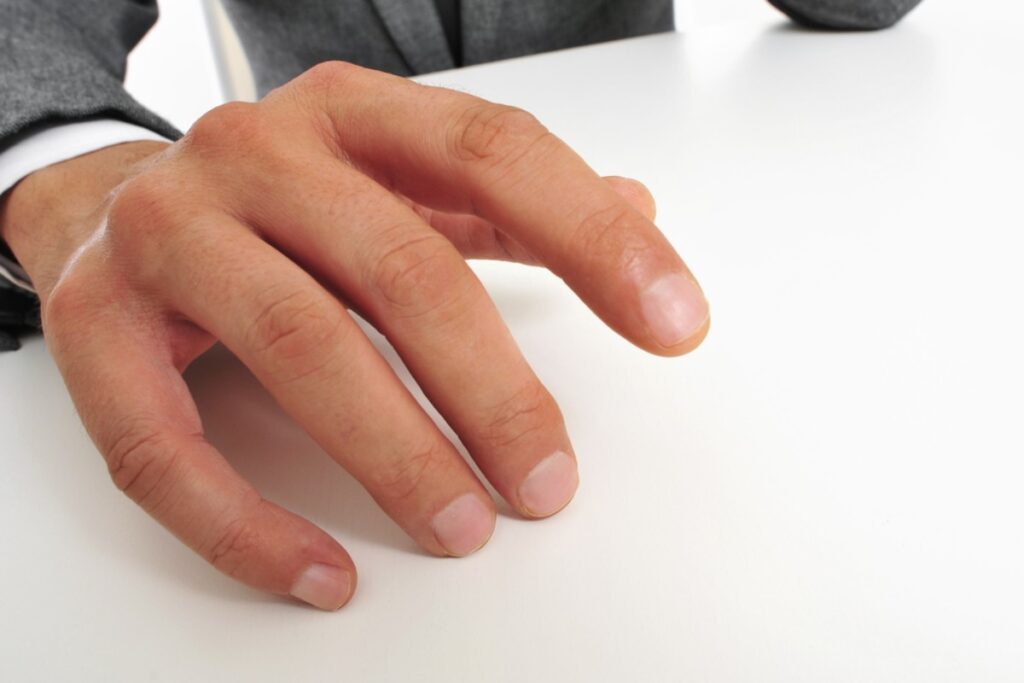
Finger drumming on desks is a common repetitive action that many people do without thinking. Tapping rhythms with your fingers can sometimes help reduce stress by creating a subtle “brain wave entrainment” effect.
If you’re nearby when someone drums their fingers loudly or persistently, it might quickly become irritating. The steady tapping sound can grab your attention and break your focus.
This is especially true in quiet environments, like offices or classrooms. For some people, finger drumming is more than just a nervous habit.
It can be a form of stimming, where repetitive movements help manage emotions or sensory input. Noticing patterns like this can help you understand behaviors that might otherwise seem annoying.
If you’re the one drumming your fingers, be aware of how it affects those around you. Social cues might signal when it’s time to stop.