
11 Things Only People Who Grew Up Middle Class Think Are Signs Of Wealth That Totally Surprise Others
Money and success mean different things depending on where you come from. If you grew up middle class, you likely spot “luxuries” others might overlook. Everyday comforts can feel fancy when you’re used to making the most of what you have.
Let’s look at some of those little things that always seemed like a big deal—and still catch your eye.
Spotting triple-ply toilet paper as a sign of luxury
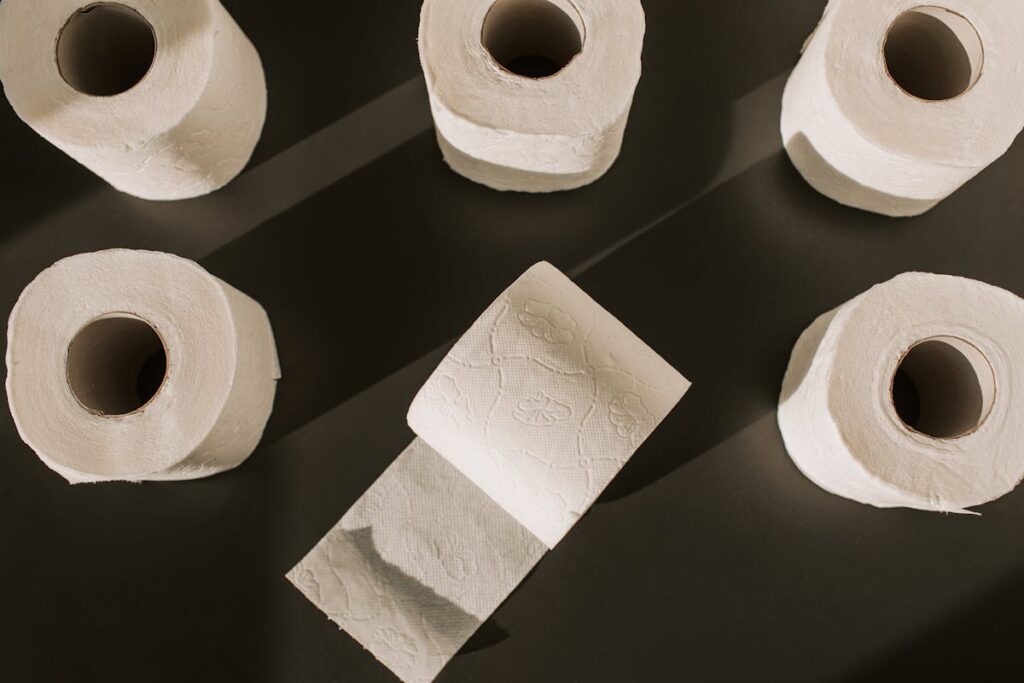
Ever get excited seeing triple-ply toilet paper in someone’s bathroom? If you grew up in a middle-class home, you know it feels like a treat. It’s thicker and softer than what you usually had at home.
That extra layer makes bathroom trips feel a little more pampered. Most families stick with one or two-ply to save money, so triple-ply stands out.
It’s a small detail, but it signals someone is willing to spend a bit more on comfort. That kind of upgrade can make an ordinary home feel a touch more luxurious.
Owning a family car that’s kept immaculate

A clean car isn’t just about appearances. For many middle-class families, keeping the car spotless showed pride and respect for what you owned.
You might remember washing and vacuuming the car together on weekends. It wasn’t just a chore—it was a way to take care of something valuable.
Having a well-kept car felt like a badge of achievement. It showed your family could afford to maintain what they had.
For more about clean cars and personality, check out The Psychology Of Having A Clean Vehicle.
Having birthday parties exclusively at home

If you grew up middle class, most birthday parties probably happened right in your living room. No fancy venues or expensive outings—just friends, cake, and maybe some homemade decorations.
These parties felt cozy and real, focused on spending time together instead of putting on a show. A homemade cake and simple games made the day special.
Throwing a party at home saved money and stress. It was less about impressing others and more about making memories.
For more on simple birthday celebrations, check out why some families keep things low-key.
Eating out as a rare special treat

Dining out wasn’t an everyday thing. It was a treat reserved for birthdays, good report cards, or holidays.
When your family did go to a restaurant, it felt exciting. You got to order what you wanted, and nobody had to cook or clean up.
Those meals out made you appreciate the experience more. Even now, eating at a restaurant might still feel like a little luxury.
Parents using coupons without shame
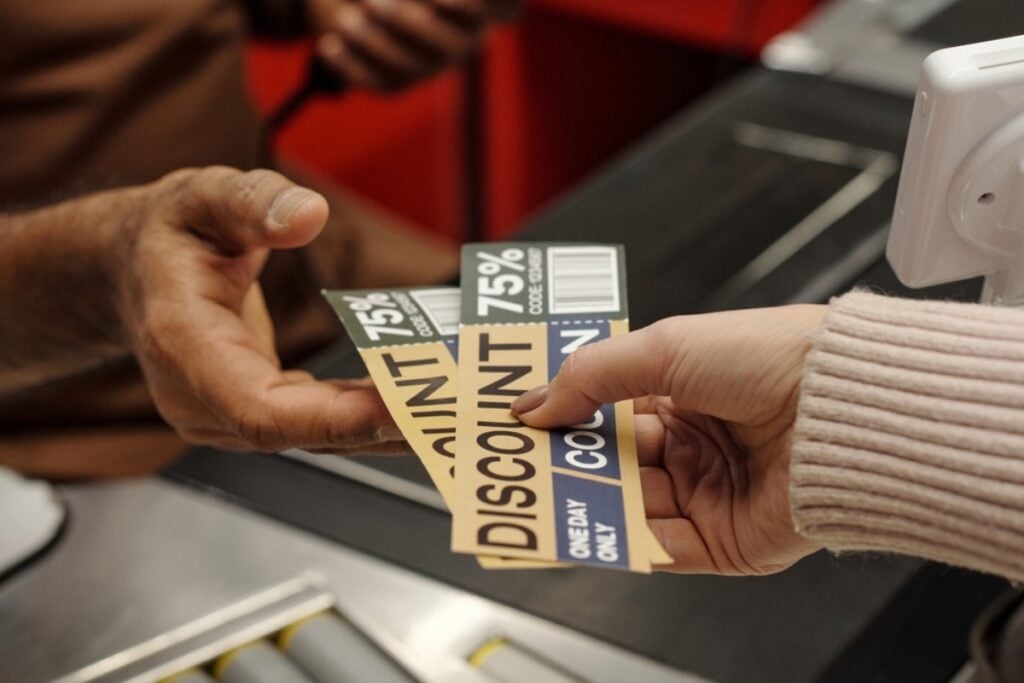
Coupons were a normal part of shopping. Your parents clipped them from the paper or printed them out before heading to the store.
Finding deals wasn’t embarrassing—it was smart. You might have even helped organize coupons or hunt for the best discounts.
This habit taught you to be careful with money and proud of saving. It was about making every dollar count.
Saving up for small but meaningful splurges

Middle-class families know the value of saving for something special. You didn’t buy things on impulse, but you set aside money for treats that mattered.
Maybe it was a better coffee maker, a cozy blanket, or a favorite book. These little splurges made life sweeter without breaking the bank.
Spending a bit more on quality sometimes saved money in the long run. These choices balanced comfort with smart spending.
Hearing ‘summer’ used as a verb for vacations

Ever hear someone say they “summer” at the lake or the beach? That phrase can sound pretty fancy if you grew up middle class.
Most families took shorter trips or stayed close to home. Using “summer” as a verb usually points to longer, pricier vacations.
It’s a small language difference, but it can make you notice how people talk about money and lifestyle. Sometimes, just a word can reveal a lot.
Wearing clothes past their prime rather than new trends
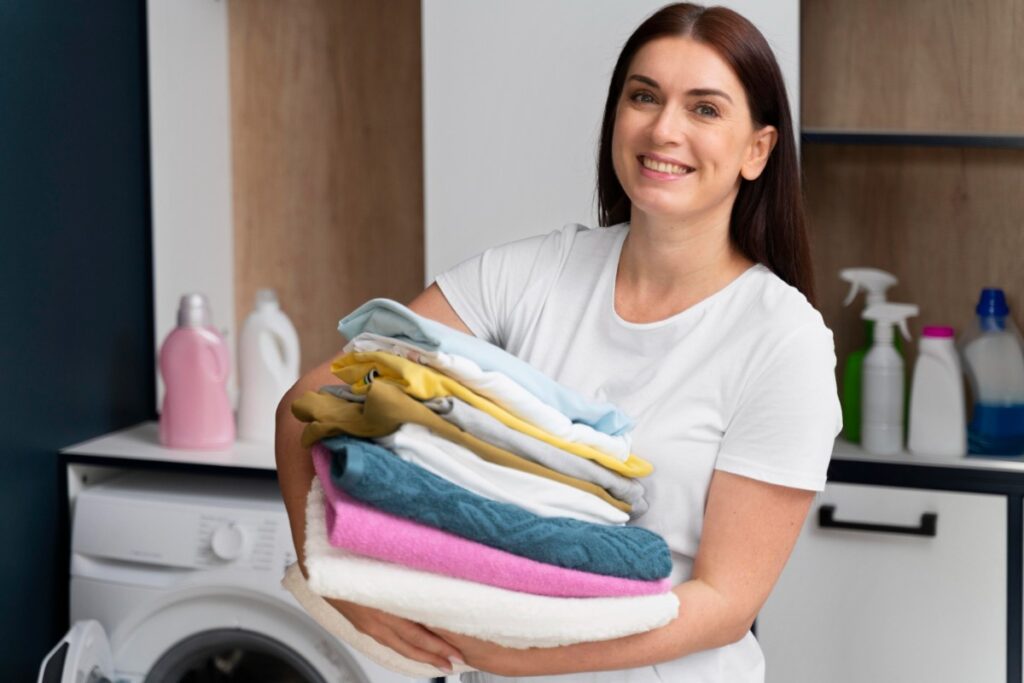
Holding onto old clothes isn’t just about being thrifty. If you grew up middle class, you probably value comfort and durability over chasing every new trend.
A favorite sweater or worn-in jeans can feel like old friends. You know it’s better to buy things that last than to keep replacing them for the sake of fashion.
Wearing clothes past their prime says you’re practical and confident in your own style. It’s about making the most of what you have.
For more on why people stick with old favorites, check out thoughts on fashion trends and psychology.
Celebrating holidays with homemade decorations
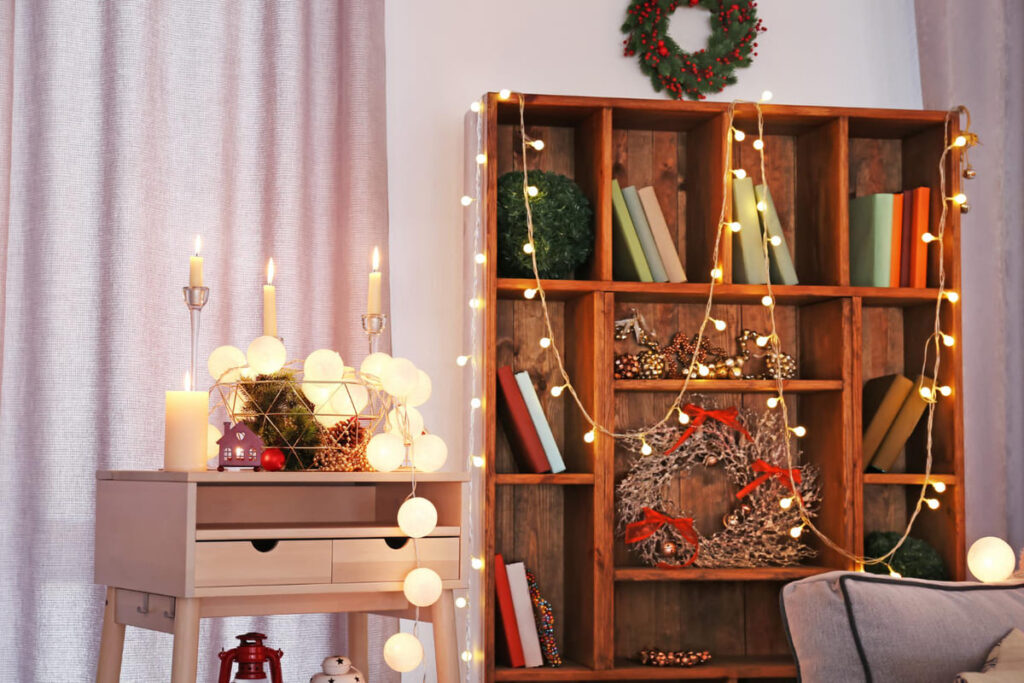
Holidays meant getting crafty. You probably remember cutting paper snowflakes or stringing popcorn garlands to decorate your home.
Using what you had around the house made celebrations feel personal and creative. The decorations carried memories and a sense of togetherness.
Homemade touches brought warmth to every holiday. They showed it’s the love and effort that matter, not how much you spend.
Looking for inspiration? Try some easy homemade holiday decorations.
Seeing grandparents as frugal role models

Grandparents always seemed to know how to save a buck. They fixed things, reused what they had, and shared with neighbors.
Their stories about making do with less taught you to appreciate simple solutions. Their habits stuck with you and shaped how you handle money today.
Looking up to their frugality gave you practical ideas for your own life. Sometimes, the old ways really are the best.
Learn more about lessons on frugality from our grandparents.
Recycling and reusing as second nature
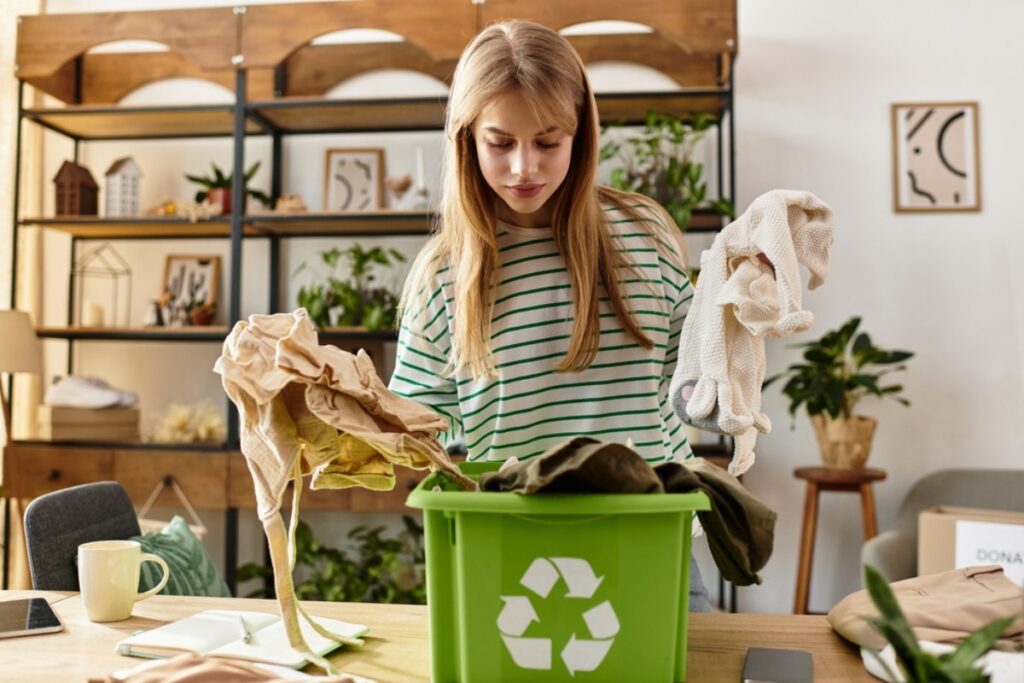
Growing up in a middle class family often meant finding creative ways to make things last. You might remember your parents rinsing out jars or saving boxes just in case.
Sorting trash and separating recyclables became a regular part of your routine. Repurposing old containers or fixing broken items was just what you did.
These habits weren’t just about helping the planet. They also made it easier to stretch the family budget and avoid unnecessary waste.
Using items more than once or saving materials for future projects felt normal. Small choices like these started to shape how you thought about money and resources.
You probably still notice recycling rules and get a little satisfaction from reusing something around the house. It’s a habit that connects you to your roots and your community.