
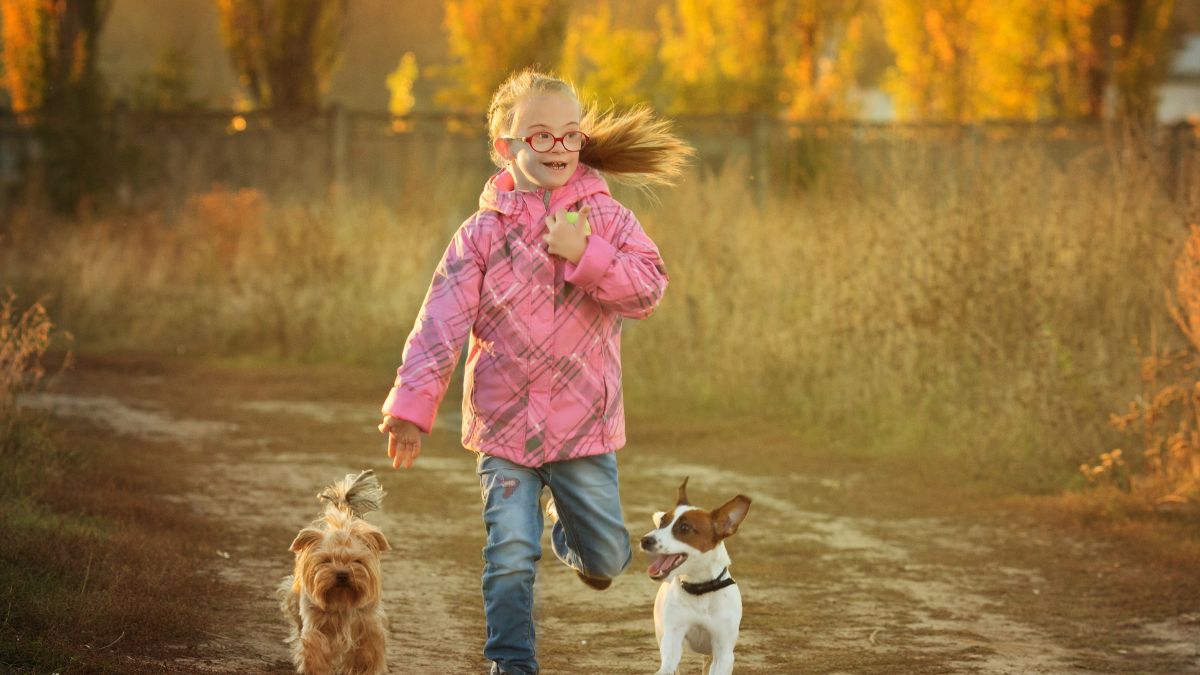
10+ Ways Animals Help Kids with Special Needs Learn and Grow
Animals have a unique way of helping children feel safe, supported, and engaged, especially those with special needs. Traditional learning methods can sometimes be overwhelming, but animals provide a calming and interactive way to encourage learning.
Whether it’s a therapy dog, a class pet, or even a farm animal, these furry (or feathered) friends can bring out the best in kids.
Creating a Calming Presence

Many children with special needs experience anxiety, especially in new or challenging situations. Animals can naturally calm and comfort, helping kids feel at ease. This soothing presence can reduce stress and create a more focused learning environment, whether stroking a soft bunny or sitting beside a therapy dog. Feeling relaxed allows children to engage more fully in their educational activities.
Building Confidence Through Interaction
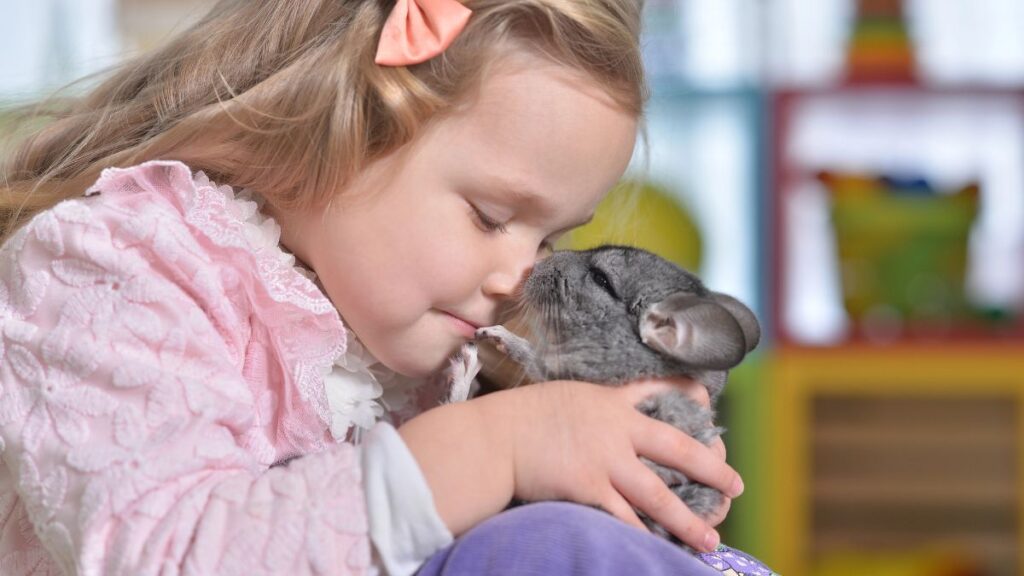
Animals provide a judgment-free space where kids can practice new skills without fear of failure. Reading aloud to a therapy dog or learning to care for a classroom pet can help build self-esteem.
When children see that their actions positively affect an animal, it reinforces their sense of capability and responsibility. This confidence often translates to other areas of their learning and daily life.
Encouraging Social Skills
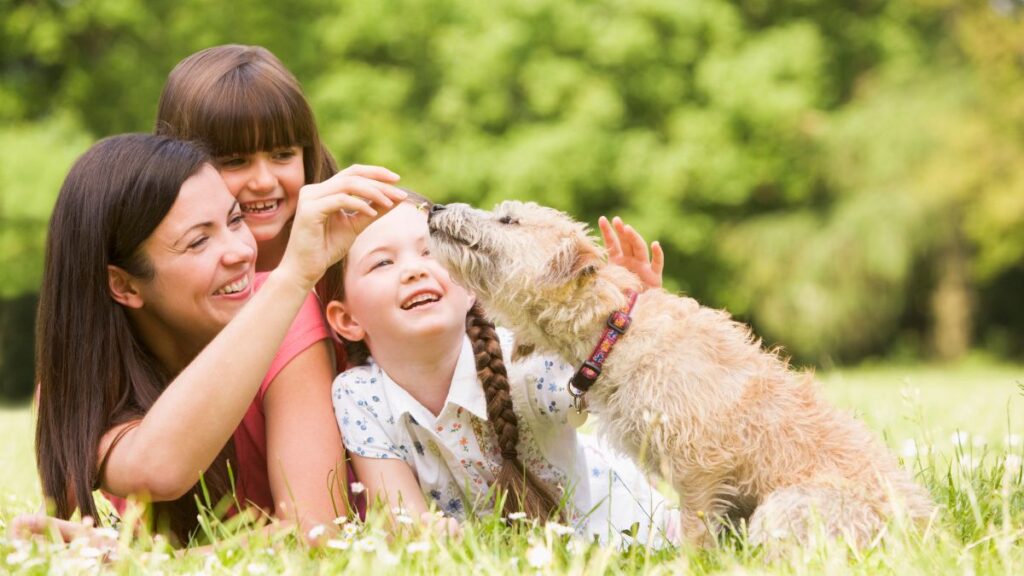
Social interaction can be difficult for many children with special needs. Animals can serve as social bridges, making it easier for children to communicate with peers and adults.
Talking about a pet, giving commands to a therapy dog, or working with animals in a group setting can encourage verbal skills and cooperative play. These interactions help children practice communication in a comfortable and non-pressured way.
Improving Focus and Attention

Many children struggle with focus, but animals can help capture and maintain their attention. Whether it’s watching fish swim or engaging in a hands-on task like brushing a horse, these activities encourage mindfulness and concentration.
Kids are more likely to stay engaged in tasks when animals are involved, making learning feel more enjoyable. Structured animal interactions can also help with attention-building exercises over time.
Supporting Emotional Regulation
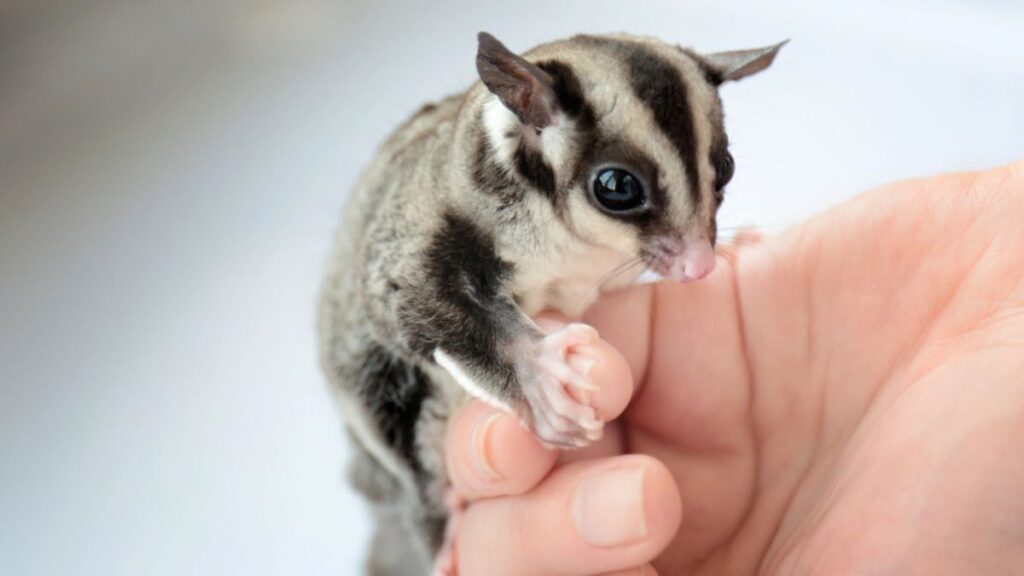
Children with special needs may experience heightened emotions and difficulty regulating them. Interacting with animals teaches self-control and patience; children must learn to handle them gently and respectfully.
Animals’ unconditional love and predictable nature provide emotional stability, helping children feel more in control of their emotions and behaviors.
Making Therapy More Engaging

Speech, occupational, and physical therapy can sometimes feel repetitive or challenging for kids. Incorporating animals into these sessions makes therapy more engaging and motivating.
For example, a child might practice fine motor skills by feeding a small pet or improve coordination by walking a therapy dog. These enjoyable interactions encourage participation and progress in a fun and rewarding way.
Encouraging Physical Movement
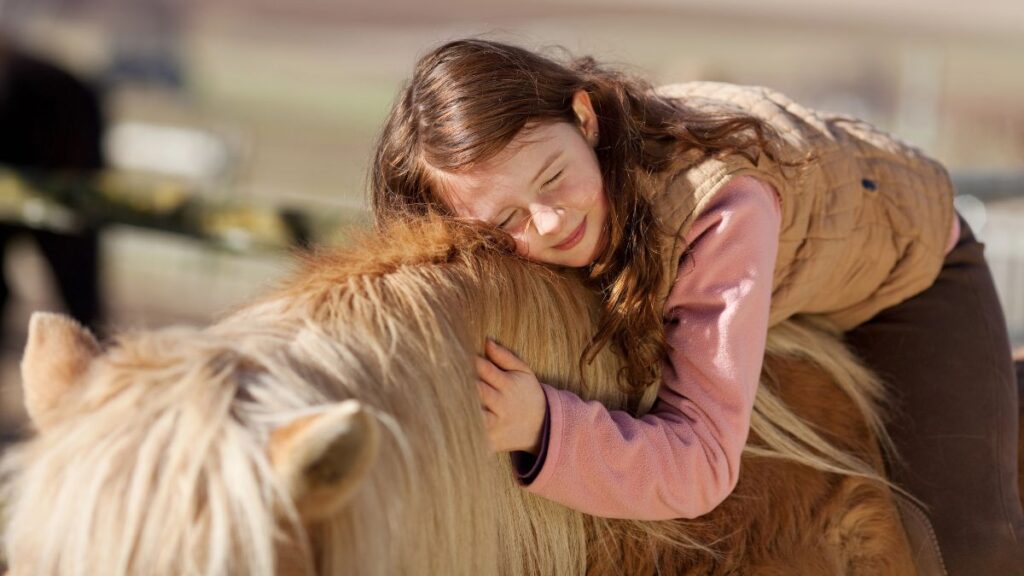
Animals encourage kids to move in natural and enjoyable ways. Walking a dog, riding a horse, or even petting a cat can help improve mobility and coordination.
These activities provide a gentle way to build strength, flexibility, and endurance. Plus, they turn exercise into something kids look forward to rather than something they feel forced to do.
Teaching Responsibility

Caring for animals, even in small ways, teaches kids about responsibility and routine. Simple tasks like refilling a water bowl, brushing a pet, or feeding a fish create a sense of duty and accomplishment.
Learning that another living being relies on them builds accountability and independence. These lessons in responsibility carry over into everyday tasks and self-care routines.
Enhancing Sensory Processing
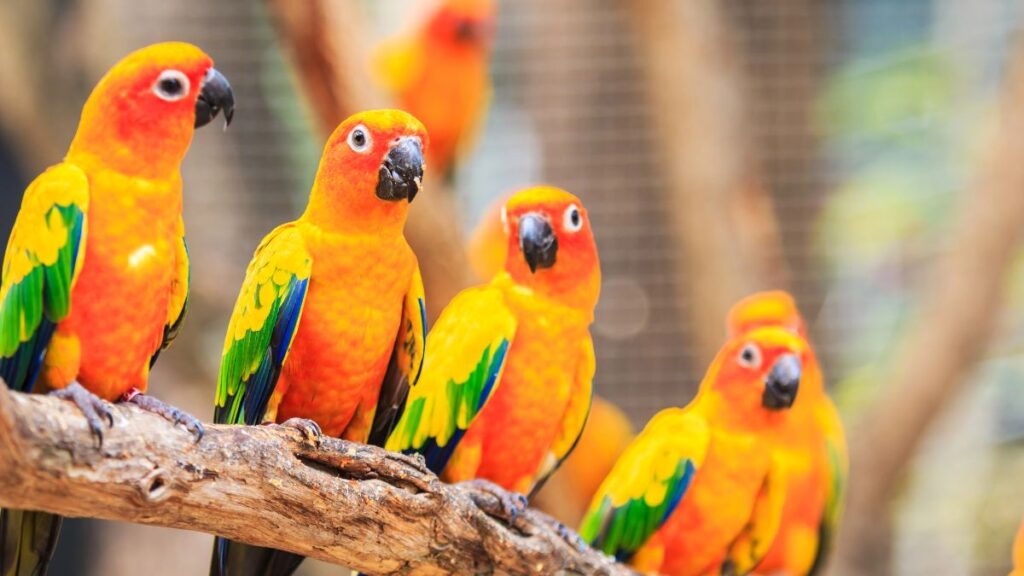
For kids with sensory sensitivities, animals offer a unique way to experience different textures, sounds, and movements. Feeling a dog’s fur, listening to birds chirp, or watching fish glide through water can help with sensory integration.
These controlled sensory experiences provide a safe way for children to explore their environment. Exposure to different sensory inputs through animals can help desensitize children to overwhelming stimuli over time.
Fostering Compassion and Empathy
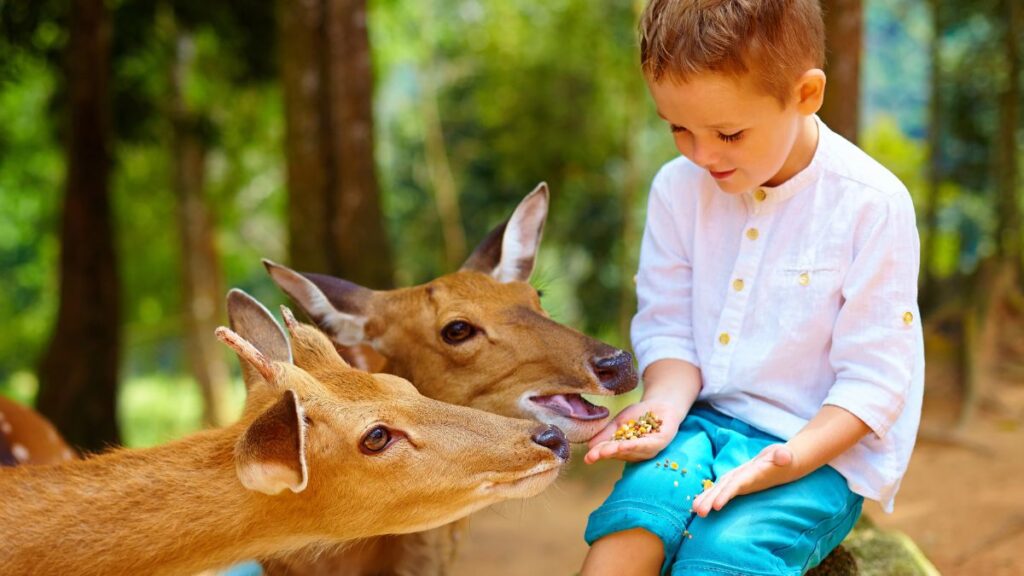
Learning to care for an animal teaches children about kindness and empathy. They begin to understand the needs of other living creatures and recognize emotions in animals, which can help them better relate to people.
This awareness strengthens their ability to be compassionate, patient, and gentle in their interactions. Developing these skills benefits their relationships with both animals and humans.
Providing a Safe Learning Space

Animals create a non-judgmental learning environment where kids can make mistakes and learn at their own pace. Whether reading to a pet or practicing motor skills by handling small animals, there’s no pressure or fear of criticism.
This helps children develop a love for learning and exploration. A safe space builds confidence and makes educational experiences more enjoyable.
Reducing Stress and Anxiety

Studies show that interacting with animals can lower stress levels and promote relaxation. Petting an animal releases feel-good hormones like oxytocin, which helps reduce anxiety and improve mood. Having an animal present during stressful moments can provide emotional grounding. This helps children feel more secure and resilient when facing challenges.
Encouraging Outdoor Exploration

Animals encourage kids to get outside and explore nature. Whether it’s visiting a farm, walking a therapy dog, or observing wildlife, these experiences make outdoor time more meaningful. Being outside improves mood, reduces stress, and connects children with the natural world. It’s also an excellent way for them to engage in hands-on learning.
Promoting Lifelong Connections with Animals

Early positive interactions with animals can create a lifelong appreciation for them. Children who grow up understanding how to care for and respect animals often develop stronger bonds with pets as they grow older.
These connections provide emotional support and companionship throughout life. Encouraging this relationship early on fosters a love for animals that can bring joy for years to come.
Bringing Joy and Excitement to Learning

Most importantly, animals make learning fun! The excitement of interacting with a pet or therapy animal makes educational experiences feel rewarding. Whether it’s reading with a therapy dog or learning science through observing nature, animals turn learning into an adventure. This enjoyment encourages curiosity and a positive attitude toward education.
Don’t Let Finances Ruin Your Relationship: 15 Ways to Find Financial Harmony With Your Partner

Achieving financial harmony as a couple involves establishing open and transparent communication about money matters. Jointly defining clear financial goals, maintaining a balanced budget, and allocating financial responsibilities can help manage your finances effectively.
Don’t Let Finances Ruin Your Relationship: 15 Ways to Find Financial Harmony With Your Partner